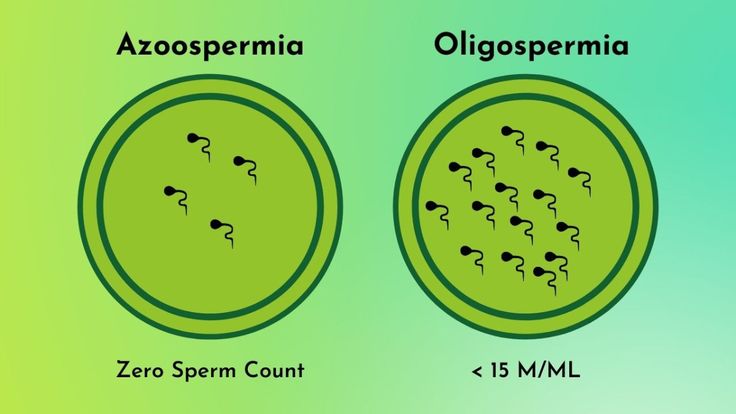
Is a condition in which no sperm are detected in the ejaculate after appropriate laboratory examination. It is one of the most significant findings that can appear on a semen analysis and can understandably cause concern for men who are trying to have children. However, a diagnosis of azoospermia does not necessarily mean that a man has no sperm production at all or that biological fatherhood is impossible. In many cases, sperm may be produced inside the testicles but prevented from reaching the semen because of a blockage in the reproductive tract. In other cases, the problem is related to impaired sperm production. Understanding the cause of azoospermia is therefore essential because the diagnostic process and available treatment options depend largely on whether the condition is obstructive azoospermia (OA) or non-obstructive azoospermia (NOA). The European Association of Urology (EAU) Guidelines on Male Infertility recommend a complete andrological evaluation when azoospermia is confirmed.
What Is Azoospermia?
Means that spermatozoa are absent from the ejaculate after appropriate laboratory processing and microscopic examination. It is different from oligozoospermia, in which sperm are present but their concentration is below the reference range. Because very small numbers of sperm may sometimes be missed during a routine examination, the diagnosis of azoospermia should not be based simply on looking at an unprocessed semen sample. The EAU recommends appropriate centrifugation and careful microscopic examination of the semen pellet to distinguish true from extremely low sperm counts, sometimes referred to as cryptozoospermia.
Does Azoospermia Mean a Man Cannot Have Children?
Not necessarily. Azoospermia is a serious finding, but it is not automatically equivalent to permanent infertility or the complete absence of sperm production. The possibility of biological fatherhood depends on the underlying cause. If the problem is an obstruction, sperm production may be preserved and sperm can sometimes be retrieved directly from the reproductive tract or testicle. If sperm production is severely impaired, sperm retrieval may still be possible in selected men because sperm production within the testicle can sometimes occur in small, localized areas. The EAU notes that sperm retrieval can be successful in a proportion of men with non-obstructive , although the outcome varies considerably between individuals.
How Is Azoospermia Confirmed?
When a semen analysis shows no sperm, the result should be confirmed using appropriate laboratory techniques. The EAU recommends confirming non-obstructive azoospermia with two consecutive semen analyses when no sperm are found after centrifugation. Careful examination of the centrifuged semen pellet is important because extremely rare sperm may be present even when the initial analysis appears to show complete . Confirming the diagnosis accurately is the first step before moving to more advanced investigations or treatment.
What Is the Difference Between Azoospermia and Severe Oligozoospermia?
means that no sperm are detected in the ejaculate after appropriate examination, whereas severe oligozoospermia means that sperm are present but their concentration is extremely low. The distinction is clinically important because both conditions can be associated with reproductive tract obstruction or impaired sperm production, but the diagnostic pathway may differ. The EAU considers severe oligozoospermia, particularly when sperm concentration is very low, an important finding because it can be associated with genetic abnormalities and obstruction of the male reproductive tract.
What Causes Azoospermia?
Azoospermia can result from two broad mechanisms: a problem with sperm transport or a problem with sperm production. In obstructive azoospermia, sperm may be produced normally inside the testicles but cannot reach the ejaculate because of a blockage in the epididymis, vas deferens, or ejaculatory ducts. In non-obstructive azoospermia, sperm production within the testicles is significantly impaired. Causes can include genetic abnormalities, testicular disorders, hormonal problems, previous medical treatments, infections, or other conditions affecting spermatogenesis. Determining the underlying mechanism is one of the most important goals of the evaluation.
What Is Obstructive Azoospermia?
Obstructive azoospermia occurs when sperm production is present but sperm cannot reach the ejaculate because of an obstruction somewhere along the reproductive tract. The EAU describes obstructive azoospermia as the absence of sperm in the centrifuged ejaculate due to obstruction. It may be associated with normal-sized testicles and relatively normal reproductive hormone levels, although the exact clinical findings depend on the location and cause of the obstruction.
What Can Cause Obstructive Azoospermia?
Obstruction can occur at different locations within the male reproductive tract. Possible causes include previous vasectomy, surgical injury, epididymal obstruction, infections, trauma, congenital absence of the vas deferens, and obstruction of the ejaculatory ducts. Some men are born with congenital absence of one or both vas deferens, which can be associated with genetic abnormalities involving the CFTR gene. In men with structural abnormalities of the vas deferens, appropriate genetic evaluation and counseling may therefore be recommended.
What Is Non-Obstructive Azoospermia?
Non-obstructive azoospermia occurs when the absence of sperm in the ejaculate is primarily related to severely impaired sperm production rather than a blockage preventing sperm from reaching the semen. The EAU notes that NOA may result from primary testicular dysfunction or disorders affecting the hypothalamic-pituitary-gonadal axis. A complete evaluation is necessary because the causes and potential treatment options vary from one patient to another.
What Causes Non-Obstructive Azoospermia?
Non-obstructive azoospermia can have several causes. Genetic conditions such as Klinefelter syndrome and certain Y-chromosome microdeletions can significantly affect sperm production. Hormonal disorders may also interfere with spermatogenesis, particularly when the signals required to stimulate the testicles are inadequate. Previous chemotherapy, radiation, severe testicular disease, testicular injury, or other forms of testicular dysfunction may also contribute to NOA. In some men, however, no specific cause is identified despite a detailed evaluation.
How Do Doctors Distinguish Obstructive From Non-Obstructive Azoospermia?
The distinction between OA and NOA cannot be made from the semen analysis alone. The doctor considers the patient’s medical and reproductive history, physical examination, hormone levels, testicular size, and other clinical findings. Genetic testing and scrotal ultrasound may also be appropriate depending on the case. The EAU recommends a comprehensive assessment that includes a detailed history, hormonal profile, genetic testing when indicated, and scrotal ultrasound in men with NOA.
What Hormone Tests Are Used in Azoospermia?
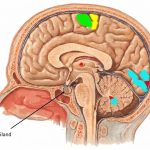
Hormonal evaluation is an important part of the investigation of azoospermia. The EAU recommends hormonal evaluation including serum testosterone, follicle-stimulating hormone (FSH), and luteinising hormone (LH) in men with azoospermia or oligozoospermia. These hormones provide information about the function of the hypothalamic-pituitary-gonadal axis and can help the physician determine whether impaired sperm production may be related to testicular dysfunction or a hormonal disorder. However, hormone levels should always be interpreted together with the physical examination and other test results.
Why Is Genetic Testing Important in Azoospermia?
Genetic testing can be particularly important in men with azoospermia because some genetic abnormalities can directly affect sperm production or the development of the male reproductive tract. The EAU recommends karyotype analysis and genetic counseling for men with azoospermia and for men with severe oligozoospermia below the specified sperm concentration threshold. Y-chromosome microdeletion testing is also recommended in selected men with very low sperm concentrations. Genetic findings may have implications not only for diagnosis and sperm retrieval but also for counseling regarding the potential transmission of genetic abnormalities to future children.
What Is Klinefelter Syndrome?
Klinefelter syndrome is a chromosomal condition that can significantly affect testicular function and sperm production. It is one of the genetic conditions associated with non-obstructive azoospermia. Men with Klinefelter syndrome may have impaired spermatogenesis, and the diagnosis can have implications beyond fertility. Appropriate medical follow-up and genetic counseling are important when the condition is identified. The EAU recommends appropriate long-term endocrine and medical follow-up for men with Klinefelter syndrome.
What Are Y-Chromosome Microdeletions?
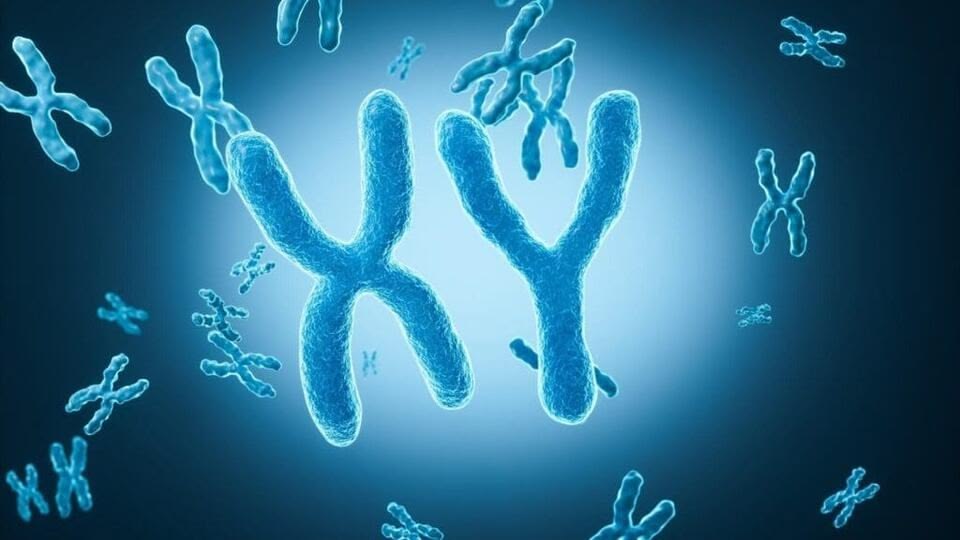
Y-chromosome microdeletions are genetic abnormalities affecting regions of the Y chromosome that contain genes involved in sperm production. They are particularly relevant in men with severe oligozoospermia or azoospermia. The EAU currently recommends Y-chromosome microdeletion testing in men with sperm concentrations of ≤1 million sperm/mL and considers testing in men with concentrations below 5 million sperm/mL. The type of deletion can also provide important information about the likelihood of finding sperm during surgical sperm retrieval.
Can Sperm Be Found in Men With Azoospermia?
In some men, yes. The possibility depends heavily on the underlying cause. Men with obstructive azoospermia often continue to produce sperm normally, meaning sperm may be retrieved from the epididymis or testicle. In non-obstructive azoospermia, sperm production may be severely reduced but can sometimes occur in small areas of the testicular tissue. The EAU notes that sperm retrieval may be successful in a proportion of men with NOA, although no single clinical or hormonal factor can reliably predict the outcome for every individual patient.
What Is Sperm Retrieval?
Sperm retrieval refers to procedures used to obtain sperm directly from the male reproductive tract or testicular tissue when sperm are absent or extremely rare in the ejaculate. Depending on the cause, techniques can include PESA, TESA, TESE, microsurgical epididymal sperm aspiration, and microdissection TESE (micro-TESE). The appropriate technique depends on whether the azoospermia is obstructive or non-obstructive and on the patient’s individual clinical circumstances. The AUA/ASRM Male Infertility Guideline also recognizes surgical sperm retrieval as an option for selected men with azoospermia who are pursuing assisted reproductive treatment.
Can Azoospermia Be Treated?
Treatment depends entirely on the underlying cause. Some cases of obstructive azoospermia can be treated with microsurgical reconstruction of the reproductive tract, such as vasovasostomy or epididymovasostomy, when appropriate. Other patients may proceed directly to sperm retrieval and assisted reproductive treatment. In cases of non-obstructive azoospermia, treatment focuses on identifying any reversible or treatable cause and determining whether sperm retrieval is appropriate. The EAU recommends tailoring management to the cause of azoospermia and the reproductive goals of the couple.
Can Obstructive Azoospermia Be Repaired?
In selected men, yes. When an obstruction affects the vas deferens or epididymis and the patient’s circumstances are appropriate, microsurgical reconstruction may restore the passage of sperm into the ejaculate. The EAU recommends microsurgical vasovasostomy or epididymovasostomy for selected men with azoospermia caused by vasal or epididymal obstruction, particularly when the female partner has good ovarian reserve. However, sperm retrieval combined with ICSI may be preferred in other situations, depending on the couple’s preferences, reproductive circumstances, and the cause of obstruction.
What Is Micro-TESE?
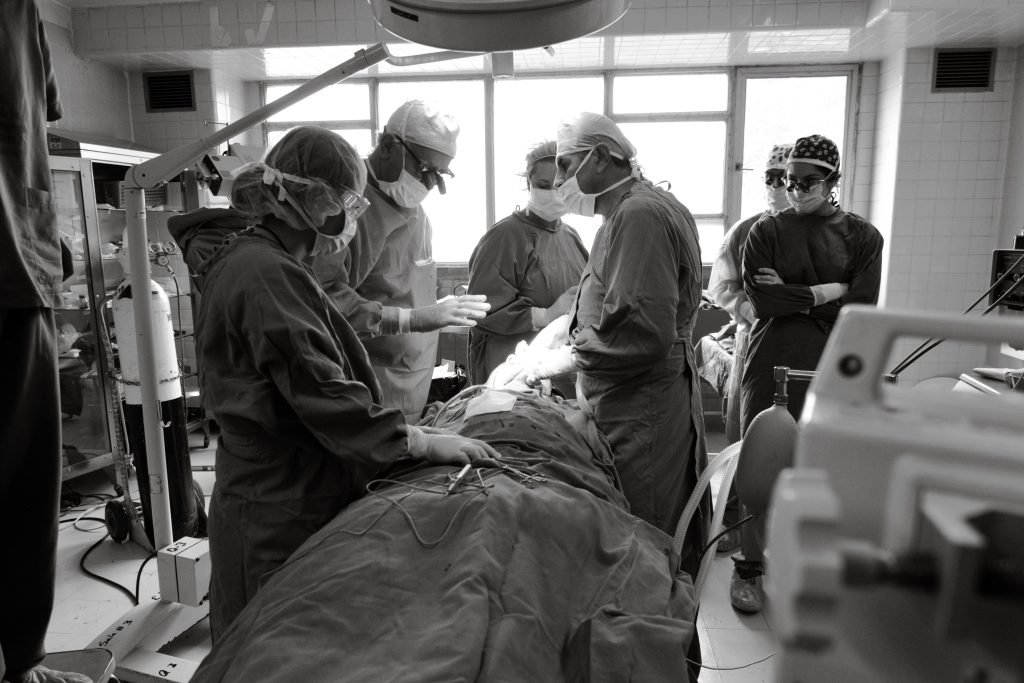
Micro-TESE, or microsurgical testicular sperm extraction, is a surgical sperm retrieval technique particularly used for men with non-obstructive azoospermia. During the procedure, the surgeon uses an operating microscope to identify areas of testicular tissue that may contain sperm-producing tubules. The retrieved tissue is then examined by the laboratory for viable sperm. The EAU currently recommends microdissection TESE as the treatment of choice for sperm retrieval in men with NOA, although the strength of this recommendation is classified as weak because the available evidence does not allow every aspect of patient selection and technique to be predicted with certainty.
Can ICSI Be Used With Azoospermia?
When viable sperm can be retrieved, intracytoplasmic sperm injection (ICSI) can be used as part of assisted reproductive treatment. ICSI involves injecting a single sperm directly into an egg during an IVF cycle. This approach can be particularly useful when sperm numbers are extremely low or when sperm have been obtained surgically. The AUA/ASRM guideline recognizes ICSI as an important assisted reproductive technology for men with significant sperm abnormalities when viable sperm are available.
Does Azoospermia Affect Testosterone?
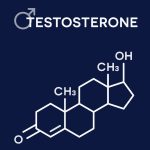
Azoospermia and testosterone production are related to different aspects of testicular function, so the presence of azoospermia does not automatically mean that testosterone levels are low. Some men with azoospermia have normal testosterone levels, while others may have hypogonadism depending on the underlying cause. Hormonal evaluation is therefore important. Importantly, men who are actively trying to conceive should not use testosterone therapy as a treatment for male infertility because exogenous testosterone can suppress the hormonal signals required for sperm production. The EAU specifically recommends against testosterone therapy for the treatment of male infertility.
Can Azoospermia Be Caused by Anabolic Steroids?
Yes. Anabolic-androgenic steroid use can suppress the hypothalamic-pituitary-gonadal axis and reduce the hormonal stimulation required for sperm production. This can result in severe oligozoospermia or azoospermia. The EAU recommends withdrawal of anabolic steroids as the initial management in men with infertility related to anabolic steroid abuse. Recovery of sperm production can occur after stopping the steroids, but the time course varies between individuals and may require specialist management.
What Happens After an Azoospermia Diagnosis?
The first step is to confirm the diagnosis correctly. Once azoospermia is confirmed, the physician needs to determine whether the condition is obstructive or non-obstructive. This usually involves a detailed medical and reproductive history, physical examination, hormonal testing, and selected genetic and imaging investigations. The goal is not simply to label the condition but to identify its cause and determine whether the patient may benefit from reconstruction, medical treatment, sperm retrieval, or assisted reproductive techniques.
Is Azoospermia Always Permanent?
No. The prognosis varies considerably depending on the cause. Obstructive azoospermia may sometimes be surgically corrected, while sperm retrieval can provide another pathway to biological fatherhood in selected cases. Some hormonal causes of impaired sperm production may also respond to appropriate treatment. In non-obstructive azoospermia, the prognosis depends on the underlying testicular function and genetic findings. Therefore, a diagnosis of azoospermia should be followed by a detailed evaluation rather than an immediate assumption that sperm production is permanently absent.
When Should a Man With Azoospermia See an Andrologist?
A man with a confirmed diagnosis should be evaluated by a specialist in male reproductive medicine or andrology. This is particularly important because the condition requires more than simply repeating a routine semen analysis. The evaluation may involve hormone testing, genetic assessment, physical examination, scrotal ultrasound, and discussion of sperm retrieval or reconstructive surgery when appropriate. Early specialist assessment can help clarify the underlying cause and prevent unnecessary or inappropriate treatments.
Final Takeaway
This condition means that sperm are not detected in the ejaculate after appropriate laboratory examination, but it does not automatically mean that a man has no sperm production or that biological fatherhood is impossible. The most important step after confirming the diagnosis is determining whether the condition is obstructive or non-obstructive. The obstructive form may occur when sperm production is preserved but sperm cannot reach the ejaculate, while the non-obstructive form is primarily associated with impaired sperm production. Hormonal evaluation, genetic testing, physical examination, and appropriate imaging can help identify the underlying cause. In selected patients, microsurgical reconstruction or surgical sperm retrieval followed by ICSI can provide effective fertility options.
If you have been diagnosed with this condition, the next step is a comprehensive evaluation rather than assuming that sperm cannot be found. Modern male fertility treatment offers several options, but the appropriate approach depends on the exact cause and the reproductive goals of the couple.
Medical References
European Association of Urology (EAU). EAU Guidelines on Sexual and Reproductive Health – Male Infertility.
Read the official EAU Guidelines
American Urological Association (AUA) / American Society for Reproductive Medicine (ASRM). Diagnosis and Treatment of Infertility in Men: AUA/ASRM Guideline, 2020; amended 2024.
Read the official AUA/ASRM Guideline
World Health Organization (WHO). WHO Laboratory Manual for the Examination and Processing of Human Semen, 6th Edition.
Read the official WHO reference