
Semen Analysis in Men: What Do the Results Mean?
Semen analysis is one of the most important tests used to evaluate male reproductive health and is a fundamental part of the assessment of men who are experiencing fertility problems. The test provides information about several characteristics of semen and sperm, including semen volume, sperm concentration, total sperm number, sperm motility, sperm morphology, and, when indicated, sperm vitality. However, a semen analysis should not be interpreted as a simple “fertile” or “infertile” test. The results need to be considered together with the man’s medical and reproductive history, physical examination, and other investigations when necessary. The World Health Organization (WHO) Laboratory Manual for the Examination and Processing of Human Semen, 6th Edition provides standardized procedures for laboratory semen examination, while the European Association of Urology (EAU) Guidelines on Male Infertility recommend performing semen analysis according to the latest WHO manual.
What Is a Semen Analysis?
A semen analysis is a laboratory examination of an ejaculate that evaluates the quantity and quality of sperm and the characteristics of the seminal fluid. It is commonly performed during the evaluation of male infertility and can provide important information about sperm production and the function of the male reproductive tract. According to the WHO 6th Edition Manual, standardized laboratory procedures are important for maintaining the quality of semen analysis and making results more comparable between laboratories. The AUA/ASRM Guideline on the Diagnosis and Treatment of Infertility in Men also recommends that the initial evaluation of a man for fertility problems include a reproductive history and one or more semen analyses.
How Is a Semen Analysis Performed?
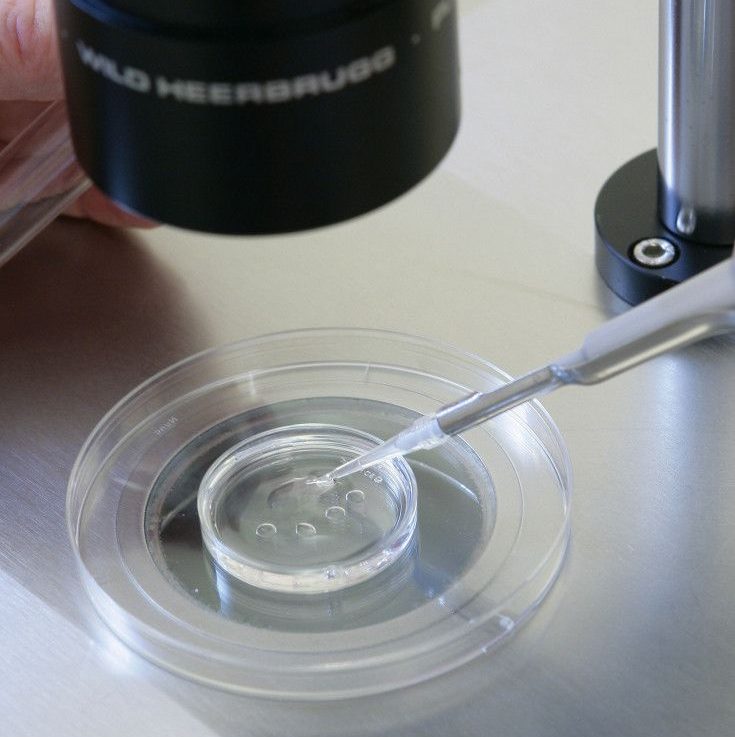
A semen sample is generally collected by masturbation into a clean container provided or approved by the laboratory. The complete ejaculate should be collected whenever possible because losing part of the sample, particularly the first portion, may affect the results. The laboratory then examines the sample using standardized procedures to evaluate semen volume and sperm parameters. The WHO Laboratory Manual provides detailed procedures for semen collection, examination, processing, quality control, and reporting. Because semen parameters can vary between samples, proper collection and laboratory handling are important for obtaining reliable results.
What Does Sperm Concentration Mean?
Sperm concentration refers to the number of sperm present in one milliliter of semen and is usually reported as millions of sperm per milliliter. A low sperm concentration is commonly referred to as oligozoospermia, while the complete absence of sperm in the ejaculate is called azoospermia. The EAU Guidelines, using the WHO 6th Edition reference data, report a lower fifth percentile reference value of approximately 16 million sperm per milliliter. However, this number should not be considered a strict boundary between fertility and infertility. The EAU Guidelines emphasize that individual semen parameters cannot independently diagnose infertility.
What Is Total Sperm Number?
Total sperm number is different from sperm concentration because it represents the estimated number of sperm in the entire ejaculate. It is influenced by both sperm concentration and semen volume and can provide important information about the overall sperm output. The WHO-based lower reference value reported by the EAU is approximately 39 million sperm per ejaculate. A lower total sperm number may be associated with reduced reproductive potential, but it does not automatically mean that natural pregnancy is impossible. The complete semen analysis and the reproductive health of both partners should be considered when interpreting the result.
What Does Sperm Motility Mean?
Sperm motility describes the ability of sperm to move. This is particularly important because sperm need effective movement to travel through the female reproductive tract and reach the egg. Semen analysis evaluates different patterns of sperm movement, including progressive, non-progressive, and immotile sperm. Progressive sperm are capable of moving forward, while non-progressive sperm move without effective forward progression. According to the current WHO-based reference values reported by the EAU, the lower reference value is approximately 42% for total motility and 30% for progressive motility. Reduced sperm motility is commonly referred to as asthenozoospermia.
What Does Sperm Morphology Mean?
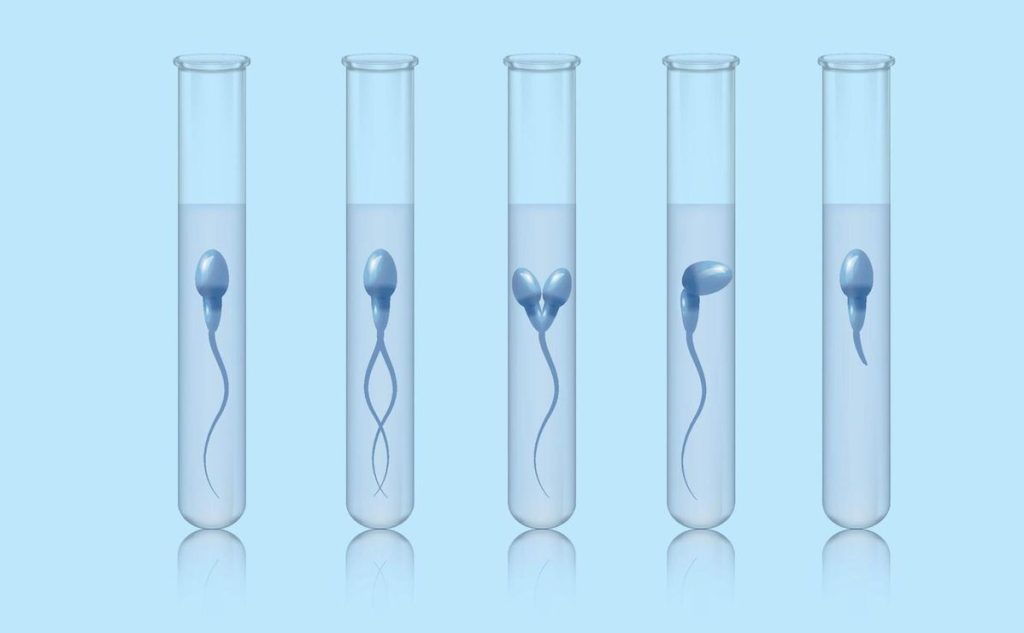
Sperm morphology refers to the size and shape of sperm cells. During semen analysis, sperm are examined to determine whether their head, midpiece, and tail have a normal appearance according to standardized laboratory criteria. The WHO 6th Edition recommends the Tygerberg strict criteria for sperm morphology assessment. The lower reference value reported by the EAU is approximately 4% normal forms. Although this number may appear low, it should not be interpreted as meaning that a man cannot achieve pregnancy if his morphology is below this value. Morphology is only one part of the semen analysis and must be interpreted together with sperm concentration, total sperm number, motility, and the clinical situation. The EAU Male Infertility Guidelines specifically state that individual sperm parameters are not diagnostic of infertility by themselves.
What Does Semen Volume Mean?
Semen volume refers to the total amount of fluid present in the ejaculate and is measured in milliliters. It is important because semen volume contributes to the calculation of total sperm number. The WHO-based lower reference value reported by the EAU is approximately 1.4 mL. A low semen volume does not automatically mean that a man is infertile. It may be associated with several different factors, including incomplete collection or problems affecting the reproductive tract, and the significance depends on the other findings in the semen analysis and the patient’s clinical history.
What Is Sperm Vitality?
Sperm vitality refers to the percentage of living sperm in a semen sample. This parameter can be particularly useful when a large proportion of sperm are immotile because it helps distinguish between sperm that are alive but unable to move and sperm that are no longer viable. According to the EAU Guidelines, sperm vitality does not need to be performed in every semen sample and is particularly indicated when more than 60% of sperm are immotile. The WHO-based lower reference value is approximately 54% live spermatozoa.
What Does a Low Sperm Count Mean?
A low sperm count does not necessarily mean that a man cannot father a child. Male reproductive potential depends on several factors, including sperm concentration, total sperm number, motility, morphology, the underlying cause of the abnormality, and the reproductive health of both partners. A low sperm count may be associated with conditions such as varicocele, hormonal disorders, genetic abnormalities, previous testicular disease, certain medications or treatments, infections, or other reproductive conditions. If the abnormality is persistent or significant, further evaluation by an andrologist or fertility specialist may be recommended.
What Does Low Sperm Motility Mean?
Low sperm motility means that a smaller proportion of sperm are capable of effective movement. Because sperm need to move toward the egg, significant impairment of motility may reduce the chances of natural conception. However, the clinical significance depends on the complete semen profile. For example, a man with mildly reduced motility and a relatively high total sperm number may have a different reproductive outlook from a man with severely reduced motility combined with a very low sperm count. Identifying the underlying cause is therefore an important part of the evaluation.
What Does Abnormal Sperm Morphology Mean?
Abnormal sperm morphology means that a lower percentage of sperm meet the laboratory criteria for normal shape and structure. Morphology is assessed using strict laboratory criteria, and variations can occur between samples and laboratories. For this reason, an abnormal morphology result should not be interpreted by itself. The EAU Guidelines emphasize that sperm concentration, motility, and morphology cannot independently diagnose infertility. The result should be interpreted as part of the complete semen analysis and the overall reproductive assessment.
Is One Semen Analysis Enough?
The answer depends on the result. If the semen analysis is normal according to WHO criteria, the EAU states that a single test may be sufficient. However, if the initial semen analysis is abnormal, the EAU recommends performing at least two consecutive semen analyses before concluding that the abnormality is persistent. Semen parameters can vary naturally between samples, and temporary factors may influence sperm production and semen characteristics. Repeating the test can therefore provide a more accurate picture of the man’s reproductive status. This recommendation is detailed in the EAU Guidelines on Male Infertility.
Can a Semen Analysis Diagnose Male Infertility?
Semen analysis is an essential part of male fertility evaluation, but it cannot independently determine whether a man is fertile or infertile. The EAU specifically states that semen analysis alone cannot distinguish fertile from infertile men. Similarly, the WHO explains that the laboratory manual provides reference information for semen examination rather than acting as a clinical treatment guideline. Fertility is a characteristic of the couple, and the man’s semen results should therefore be interpreted alongside the reproductive history and evaluation of both partners.
What Are the WHO Reference Values for Semen Analysis?
The WHO 6th Edition provides reference data derived from men whose partners achieved natural conception within a defined period. The current WHO-based lower reference values reported by the EAU include approximately 1.4 mL for semen volume, 39 million sperm per ejaculate for total sperm number, 16 million sperm per mL for sperm concentration, 42% for total motility, 30% for progressive motility, 54% for vitality, and 4% for normal sperm morphology. These values are reference limits and should not be treated as absolute cutoffs separating fertile men from infertile men. The EAU Guidelines explain that the lower fifth percentile does not represent a biological boundary between fertility and infertility.
Why Can Semen Results Vary?
Semen parameters can vary between different samples from the same man. Factors such as temporary illness, fever, medications, lifestyle factors, and differences in sample collection can potentially influence results. This is one reason why an abnormal semen analysis may need to be repeated before a persistent abnormality is diagnosed. Following the laboratory’s collection and handling instructions carefully is important for obtaining the most reliable result. The WHO Laboratory Manual, 6th Edition, provides standardized laboratory procedures designed to improve the quality and comparability of semen analysis.
What Happens If the Semen Analysis Is Abnormal?
An abnormal semen analysis does not automatically mean that treatment is required or that natural conception is impossible. The next step depends on the specific abnormalities, their severity, whether they persist on repeat testing, and whether other clinical findings are present. A specialist may evaluate the man’s medical and reproductive history, perform a physical examination, and request hormonal, genetic, ultrasound, or other investigations when clinically indicated. The EAU Guidelines recommend a comprehensive andrological evaluation for men seeking medical help for fertility problems.
When Are Additional Tests Needed?
Additional tests may be considered when semen abnormalities are significant or persistent, when azoospermia or severe oligozoospermia is present, or when the patient’s medical history and physical examination suggest an underlying condition. Hormonal testing can help assess disorders affecting testosterone production and spermatogenesis, while genetic testing may be indicated in selected men with severe sperm production abnormalities. Imaging may also be recommended in specific clinical situations. The exact investigations should be individualized rather than performed routinely in every man with an abnormal semen analysis.
Semen Analysis and Azoospermia
One of the most significant findings on a semen analysis is the absence of sperm. Azoospermia means that sperm are not detected in the ejaculate after appropriate laboratory examination. If azoospermia is suspected, the finding generally needs confirmation using appropriate laboratory methods and repeat testing. Once azoospermia is confirmed, the next important question is whether the problem is caused by an obstruction preventing sperm from reaching the ejaculate or by impaired sperm production within the testicles. This distinction is essential because the diagnostic approach and potential treatment options are different. This topic will be discussed in greater detail in the next article in this series: Azoospermia: What Does It Mean When There Are No Sperm?
Semen Analysis and Male Fertility Treatment
The results of a semen analysis can help guide the next stage of fertility management. Depending on the findings, treatment may involve addressing an underlying medical condition, correcting a contributing factor, surgical treatment in selected cases, or assisted reproductive techniques. Men with very low sperm counts or azoospermia may require a more detailed evaluation to determine whether sperm can be retrieved directly from the reproductive tract or testicle for use with assisted reproductive techniques such as ICSI. Therefore, semen analysis is not simply a laboratory test; it is an important starting point for determining the most appropriate diagnostic and treatment pathway.
Final Takeaway
Semen analysis is one of the most important tools in the evaluation of male fertility. It provides information about semen volume, total sperm number, sperm concentration, motility, morphology, and, when indicated, sperm vitality. However, semen analysis should never be interpreted as a simple pass-or-fail fertility test. WHO reference values provide standardized benchmarks, but they do not create an absolute dividing line between fertile and infertile men. If a semen analysis is abnormal, repeating the test and consulting an experienced andrology or fertility specialist can help determine whether the abnormality is persistent, identify a possible underlying cause, and guide the appropriate next step.
If your semen analysis shows a low sperm count, poor sperm motility, abnormal morphology, low semen volume, or no sperm, an abnormal result does not necessarily mean that fatherhood is impossible. A comprehensive evaluation can often identify the cause and help determine the most appropriate fertility strategy.
Medical References
World Health Organization (WHO). WHO Laboratory Manual for the Examination and Processing of Human Semen, 6th Edition. 2021.
Read the official WHO reference
European Association of Urology (EAU). EAU Guidelines on Sexual and Reproductive Health – Male Infertility.
Read the official EAU Guidelines
American Urological Association (AUA) / American Society for Reproductive Medicine (ASRM). Diagnosis and Treatment of Infertility in Men: AUA/ASRM Guideline.
Read the official AUA/ASRM Guideline
World Health Organization (WHO). Infertility – Sexual and Reproductive Health.
Read the official WHO information