The Male Hormone (Testosterone): Your Comprehensive Guide to Enhancing Sexual and Physical Health
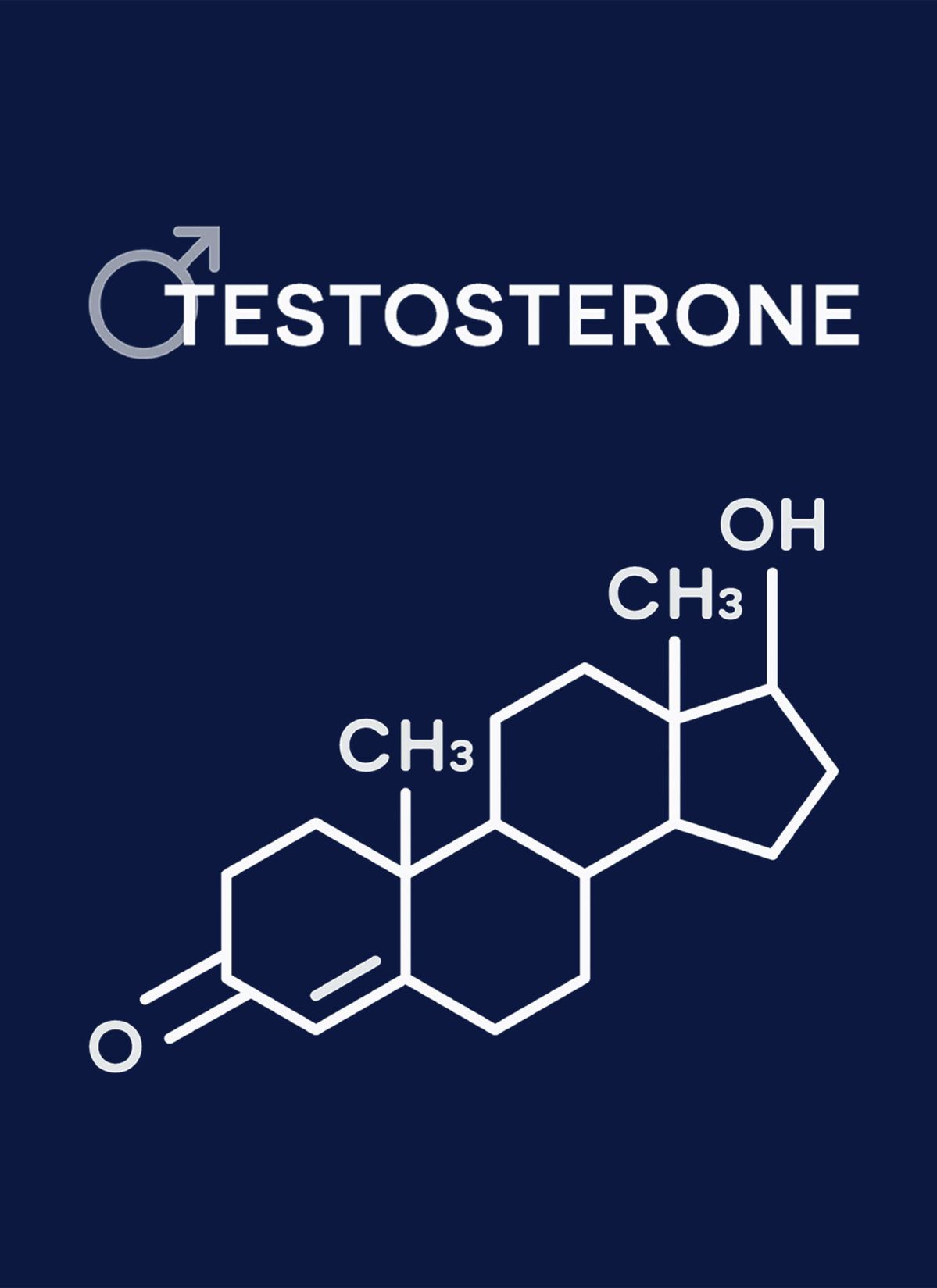
The male hormone is scientifically known as testosterone. It is also one of the most important hormones for men’s physical and sexual health. Testosterone is not only responsible for developing masculine characteristics during puberty. Instead, it continues to play an important role throughout a man’s life. As a result, healthy testosterone levels are important for energy, muscle strength, bone health, and sexual function.
In this article, we will explore the role of testosterone in the male body. In addition, we will discuss its importance based on the medical explanations provided by Prof. Dr. Osama Shaheer, Professor of Andrology at the Faculty of Medicine, Cairo University. We will also discuss the effects of testosterone deficiency and age-related hormonal changes. Finally, you can watch the detailed explanation by Dr. Osama Shaeer via this YouTube link.
What is Testosterone and What is its Role in the Male Body?
First, testosterone is primarily secreted by the testicles. Its production increases significantly during puberty. Therefore, testosterone contributes to the development of the male reproductive organs. For example, it is responsible for masculine characteristics such as a deeper voice and the growth of facial and body hair.
The role of testosterone does not stop after puberty. Instead, it continues to support many important functions throughout adulthood. For example, testosterone contributes to sperm production and helps maintain bone density. In addition, it supports muscle development and healthy body-fat distribution. As a result, testosterone can have an important effect on a man’s overall physical health. Most importantly, it helps regulate sexual desire, also known as libido.
The Impact of Testosterone Deficiency on Libido and Erectile Function
The sexual process and erection depend on nervous and vascular responses. However, they also require a favorable hormonal environment. Therefore, testosterone can play an important role in normal sexual function.
During an erection, blood flows into the penis and is then retained inside the erectile tissue. As a result, the penis becomes firm. Because of this, factors that affect erectile tissue or blood flow can contribute to erectile difficulties.
Testosterone levels can sometimes decrease because of underlying medical conditions, such as large varicoceles (enlarged scrotal veins). In addition, certain medications and other health conditions may affect hormone levels. As a result, a noticeable decrease in sexual desire may occur.
However, testosterone deficiency may affect more than sexual desire. Persistent deficiency may also affect penile tissue. The spongy vascular tissues inside the penis are responsible for trapping blood during an erection. Over time, unfavorable changes may develop in these tissues. Consequently, fatty and fibrous changes may interfere with normal erectile function. Therefore, persistent symptoms should be evaluated by a specialist.
The Hidden Physical Damages of Testosterone Deficiency
The effects of testosterone deficiency are not limited to sexual health. In addition, they may affect physical and psychological well-being. For example, possible effects include:
- Osteoporosis: First, testosterone contributes to maintaining bone mineral density. Therefore, low testosterone levels may be associated with reduced bone strength and an increased risk of fractures and osteoporosis.
- Decreased Muscle Mass and Increased Fat: Second, testosterone deficiency may lead to reduced muscle mass and strength. At the same time, body fat may increase, especially around the abdomen. As a result, changes in body composition may become noticeable.
- Cardiovascular Health: Third, studies have found an association between low testosterone levels and certain cardiovascular health risks. However, this relationship is complex. Therefore, low testosterone should be evaluated by a medical professional rather than considered a direct cause of heart disease.
- Mood Changes and Fatigue: Finally, testosterone deficiency may be associated with persistent fatigue. In addition, some men may experience poor concentration or changes in mood. As a result, these symptoms may sometimes indicate an underlying hormonal problem.
Andropause: Hormonal Changes with Aging
The human body naturally changes with age. For example, women experience menopause, which involves significant hormonal changes. Similarly, men may experience gradual changes in testosterone production as they get older. This condition is commonly called “Andropause” or male menopause.
Generally, testosterone levels may gradually decline with age. However, this change does not affect every man in the same way. For some men, lower testosterone levels may be associated with reduced sexual desire, erectile difficulties, and lower energy. As a result, these symptoms may affect quality of life.
First, a specialist can evaluate these symptoms and look for other possible causes. Next, the doctor may perform the necessary tests to determine testosterone levels. After that, if testosterone deficiency is confirmed and treatment is appropriate, hormone replacement therapy may be considered. Finally, treatment should always be provided under careful medical supervision.
When Should You Consult a Doctor?
You may experience a sudden decrease in libido or difficulty maintaining an erection. In addition, you may experience persistent fatigue or reduced muscle strength. If this happens, you should seek professional medical advice.
Fortunately, an appropriate medical evaluation can help identify the underlying cause. First, the evaluation may include an accurate measurement of testosterone levels in the blood. Ideally, this test is performed in the morning because testosterone levels are generally higher at that time.
Book Your Consultation Now
If you have symptoms that may be related to testosterone deficiency, the first step is to receive an accurate medical assessment. In addition, consulting a qualified specialist can help determine the most appropriate treatment for your condition.
Therefore, book your appointment with Prof. Dr. Osama Shaeer through the following link:
Click here to book your appointment now
Medical and Scientific References:
- Ain Shams University – Faculty of Medicine (Department of Andrology): Research and coursework from the Andrology Department regarding the effects of androgen deficiency on cavernous penile tissues and erection mechanisms.
- Harvard Medical School: “Testosterone — What It Does And Doesn’t Do.” Harvard Health Publishing, discussing the systemic effects of testosterone deficiency on muscle mass, bone density, and cardiovascular health.
- Mayo Clinic: “Male menopause: Myth or reality?” Clinical guidelines on understanding Andropause, symptoms of low testosterone in aging men, and safe practices for testosterone replacement therapy.