Genetic Testing in Azoospermia: When Is It Needed?
Genetic testing can play an important role in the evaluation of men with azoospermia, particularly when sperm production is severely impaired. In some men, the absence of sperm in the ejaculate is related to a genetic condition that affects the development or function of the testicles. Identifying a genetic cause can help explain the reason for infertility, guide treatment decisions, and provide important information about the potential risk of passing a genetic abnormality to future children. Genetic evaluation is not required for every man with infertility, but it is recommended in specific clinical situations based on the semen analysis, physical examination, hormone levels, and suspected cause.
Why Can Genetic Problems Cause Azoospermia?
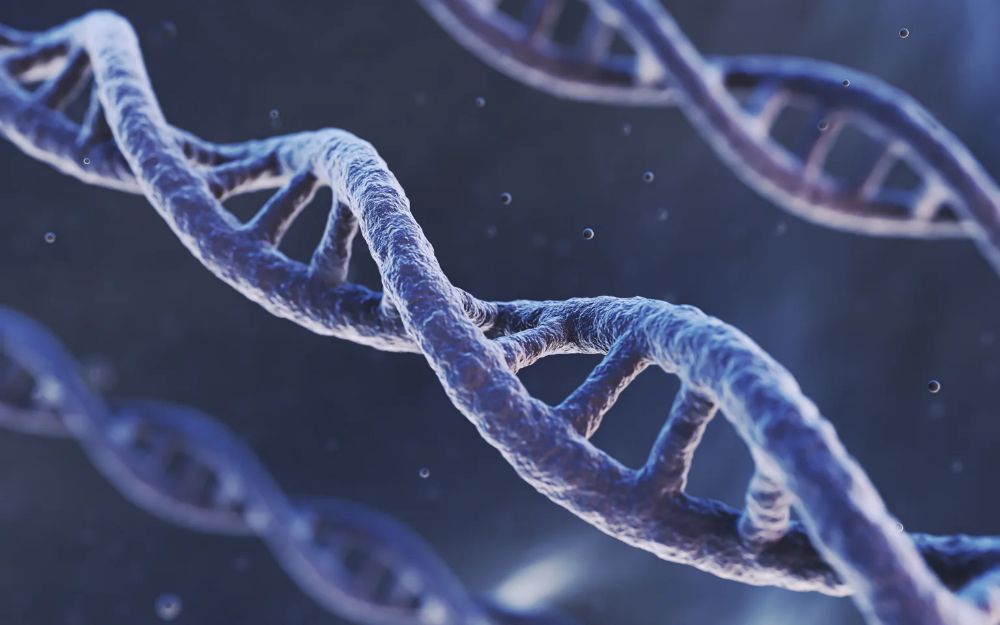
Normal sperm production requires the coordinated function of many genes and chromosomes. Changes affecting these genetic components can interfere with the development of the testicles or the production of sperm. Some abnormalities affect the number or structure of chromosomes, while others involve specific regions of the Y chromosome that are important for sperm production. Genetic conditions can therefore result in severely reduced sperm production or, in some cases, complete absence of sperm in the ejaculate.
When Is Genetic Testing Recommended?
The decision to perform genetic testing depends on the individual clinical findings. Men with azoospermia caused by severely impaired sperm production may be candidates for genetic evaluation, particularly when testicular function appears to be significantly affected. Genetic testing is also important in men with congenital absence of the vas deferens because this finding may be associated with changes in the CFTR gene. The exact testing strategy should be determined by a specialist after reviewing the patient’s history, physical examination, semen analysis, and hormonal results.
Karyotype Testing
A karyotype is a laboratory test that examines the number and structure of a person’s chromosomes. It can identify chromosomal abnormalities that may affect sperm production. One of the best-known examples is Klinefelter syndrome, in which a man has an additional X chromosome. Men with Klinefelter syndrome may have very small testicles and severely impaired sperm production, although some men may still have sperm that can potentially be retrieved surgically. Identifying a chromosomal abnormality can also be important when discussing fertility treatment and genetic counseling.
Y Chromosome Microdeletion Testing
The Y chromosome contains regions that are essential for normal sperm production. Deletions in specific areas, known as Y chromosome microdeletions, can lead to severely impaired sperm production. Testing for these deletions can help identify a genetic explanation for azoospermia or severe oligozoospermia in appropriate patients. The result may also provide information about the likelihood of finding sperm during surgical retrieval and can influence counseling before assisted reproductive treatment.
CFTR Testing and Congenital Absence of the Vas Deferens
Some men are born without one or both vas deferens, the tubes that normally transport sperm from the epididymis toward the ejaculatory ducts. This condition is known as congenital bilateral absence of the vas deferens, or CBAVD. It can be associated with variants in the CFTR gene, which is also associated with cystic fibrosis. When congenital absence of the vas deferens is identified, genetic evaluation may therefore be recommended. Because these genetic findings can have implications for future children, appropriate genetic counseling is an important part of the evaluation.
Can Genetic Testing in Azoospermia Change Treatment?
Genetic results can influence fertility management in several ways. They may explain why sperm production is impaired, help determine whether surgical sperm retrieval is appropriate, and provide information about the expected reproductive outlook. In some genetic conditions, sperm retrieval may still be possible, while in others the likelihood may be very low. Genetic findings can also influence decisions regarding assisted reproduction and whether additional counseling or testing of the couple is appropriate.
Does a Genetic Cause Mean Sperm Retrieval Is Impossible?
No. A genetic diagnosis does not always mean that sperm cannot be found. Some men with chromosomal abnormalities or Y chromosome changes may have small areas of sperm production within the testicles. In appropriately selected cases, sperm retrieval techniques such as Micro-TESE may be considered. The likelihood of success varies significantly according to the specific genetic abnormality and the individual’s clinical findings. For this reason, genetic results should be interpreted by an experienced male fertility specialist rather than viewed as a simple prediction of fertility.
Can Genetic Problems Be Passed to Children?
Some genetic abnormalities associated with male infertility can have implications for future children. For example, when sperm are obtained from a man with certain Y chromosome abnormalities and used for ICSI, male offspring may potentially inherit the same Y chromosome change. The implications depend on the specific genetic condition. This is why genetic counseling should be considered before assisted reproductive treatment when a clinically significant genetic abnormality has been identified.
Genetic Counseling Before Fertility Treatment
Genetic counseling helps patients understand what a test result means and how it may affect fertility treatment and future children. It can also help couples understand the difference between a genetic finding that directly explains infertility and an incidental finding that may not change treatment. The counselor or specialist can discuss available reproductive options and whether additional testing is appropriate. Genetic counseling is particularly valuable when a chromosomal abnormality, Y chromosome microdeletion, or CFTR-related condition is identified.
What Happens After Genetic Testing?
The next step depends on the results and the overall clinical picture. If a genetic cause is identified, the fertility specialist can explain its significance and discuss appropriate treatment options. In some men, treatment may focus on addressing an associated hormonal or medical condition. In others, sperm retrieval may be considered, followed by ICSI if viable sperm are obtained. If the genetic results do not identify a cause, the evaluation does not necessarily end there because azoospermia can have multiple causes that are not detectable with standard genetic tests.
Final Thoughts
Genetic testing is an important part of evaluating selected men with azoospermia, especially when sperm production is severely impaired or congenital abnormalities of the reproductive tract are suspected. Tests such as karyotyping, Y chromosome microdeletion analysis, and CFTR testing can provide valuable information about the cause of infertility and help guide treatment and genetic counseling. However, genetic testing should be selected according to the individual patient’s clinical findings rather than performed indiscriminately. A diagnosis of a genetic abnormality also does not automatically mean that biological fatherhood is impossible, as sperm retrieval may remain an option in selected cases.
Medical References
European Association of Urology (EAU). EAU Guidelines on Sexual and Reproductive Health – Male Infertility.
EAU Guidelines – Male Infertility
American Urological Association (AUA) & American Society for Reproductive Medicine (ASRM). Diagnosis and Treatment of Infertility in Men: AUA/ASRM Guideline.
AUA/ASRM Male Infertility Guideline
World Health Organization (WHO). WHO Laboratory Manual for the Examination and Processing of Human Semen, 6th Edition.
WHO Laboratory Manual for Human Semen