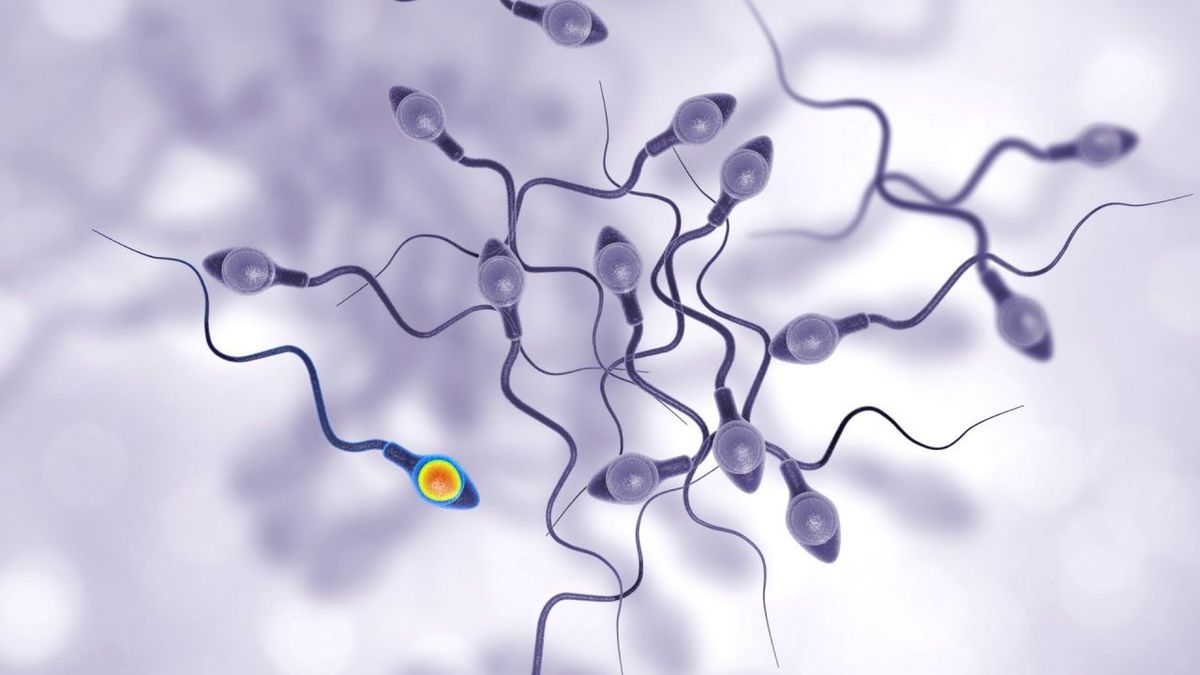
Non-Obstructive Azoospermia: Causes, Diagnosis, and Treatment
Non-obstructive azoospermia (NOA) is a form of male infertility in which no sperm are found in the ejaculate because the testicles are unable to produce enough sperm, or sperm production is severely impaired. Unlike obstructive azoospermia, where sperm may be produced normally but cannot reach the semen because of a blockage, non-obstructive azoospermia is primarily related to impaired sperm production within the testicles. The condition can have several causes, including genetic abnormalities, hormonal disorders, previous testicular damage, certain medical treatments, and other conditions affecting testicular function. However, a diagnosis of non-obstructive azoospermia does not automatically mean that sperm cannot be found. In selected men, sperm retrieval procedures may identify small areas of sperm production that can potentially be used for assisted reproduction.
What Is Non-Obstructive Azoospermia?
Azoospermia means that sperm are not detected in the ejaculate after appropriate semen analysis and laboratory examination. In non-obstructive azoospermia, the absence of sperm is related to impaired production rather than a physical blockage preventing sperm from reaching the semen. Sperm production may be severely reduced or occur only in small areas within the testicular tissue. This is why a man may have no sperm in his semen while still having a possibility of sperm retrieval in certain cases.
What Causes Non-Obstructive Azoospermia?
There are many possible causes. Genetic conditions can interfere with the development or function of the testicles and may lead to severely impaired sperm production. Klinefelter syndrome is one recognized genetic cause, while Y-chromosome microdeletions can also affect sperm production. Hormonal disorders may interfere with the signals required for normal testicular function. Previous testicular injury, infections, chemotherapy, radiation, or certain medications may also contribute. In some men, the cause remains unexplained even after a complete evaluation. Identifying the underlying cause is important because some conditions may require specific treatment or genetic counseling.
How Is Non-Obstructive Azoospermia Diagnosed?
The evaluation begins with confirmation of azoospermia through semen analysis, usually with careful examination of the sample to ensure that very small numbers of sperm are not missed. The doctor will then review the patient’s medical and reproductive history and perform a physical examination. Testicular size and consistency, the presence of the vas deferens, and other physical findings can provide important clues. Hormonal testing, particularly measurements such as FSH and testosterone, may help assess testicular function. Genetic testing is recommended in selected men, especially when the clinical findings suggest a genetic cause.
Hormonal Tests and Non-Obstructive Azoospermia
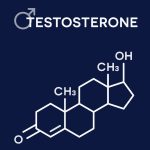
Hormonal evaluation can help determine whether impaired sperm production may be related to a hormonal disorder or primary testicular dysfunction. FSH is often elevated when the testicles have significant impairment of sperm production, although hormone levels cannot by themselves establish the diagnosis. Testosterone levels are also important because testicular function involves both sperm production and testosterone production. In some men, the underlying problem is related to inadequate hormonal stimulation rather than irreversible testicular failure, and appropriate medical treatment may improve fertility in selected cases. Hormonal treatment should therefore be based on the identified cause rather than given routinely to every man with azoospermia.
Genetic Causes
Genetic factors are an important consideration in men with severely impaired sperm production. Karyotype testing may identify chromosomal abnormalities such as Klinefelter syndrome, while Y-chromosome microdeletion testing can identify genetic changes associated with impaired sperm production. The results may influence treatment decisions and can also provide important information about the possibility of passing a genetic abnormality to future children. For this reason, genetic counseling may be recommended when a clinically significant genetic abnormality is identified.
Can Sperm Be Found in Non-Obstructive Azoospermia?
In some men, yes. Sperm production in non-obstructive azoospermia may not be completely absent throughout the testicles. Small areas of sperm production can sometimes remain even when no sperm are found in the ejaculate. This is the principle behind surgical sperm retrieval in appropriately selected patients. The likelihood of finding sperm depends on the underlying cause and several clinical factors, so no single test can guarantee the outcome before surgery.
Micro-TESE for Non-Obstructive Azoospermia
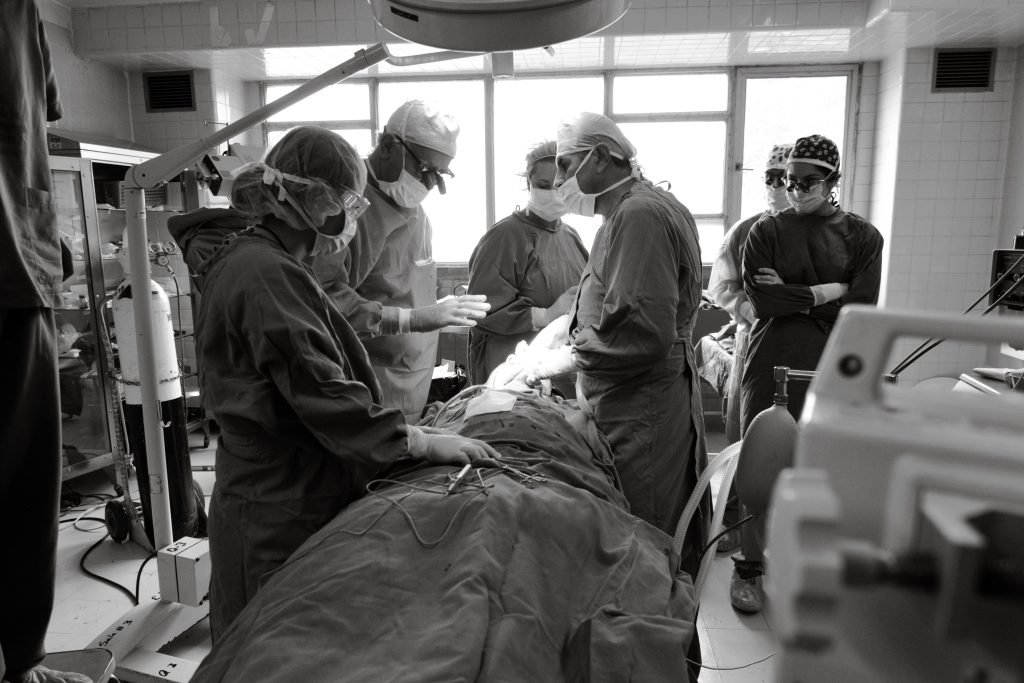
Microdissection testicular sperm extraction, commonly known as Micro-TESE, is a surgical technique used to search for areas of sperm production within the testicles. During the procedure, the surgeon uses an operating microscope to identify testicular tissue that may contain sperm-producing areas while attempting to minimize unnecessary removal of tissue. When sperm are successfully retrieved, they can be used for ICSI. Micro-TESE is particularly important in selected men with non-obstructive azoospermia because sperm production may be very limited and unevenly distributed throughout the testicular tissue.
Does Non-Obstructive Azoospermia Mean Infertility Is Permanent?
Not necessarily. The prognosis depends largely on the underlying cause. Some men may have a reversible hormonal problem, while others have genetic or testicular conditions that significantly affect sperm production. Even when natural sperm production cannot be restored, sperm retrieval may still be possible in selected patients. Therefore, the diagnosis should be followed by a detailed evaluation rather than an immediate assumption that biological fatherhood is impossible.
Treatment Options
Treatment depends on the cause and the patient’s reproductive goals. When a hormonal disorder is identified, treating the underlying condition may improve reproductive function in appropriate cases. If sperm production remains severely impaired, surgical sperm retrieval may be considered. Micro-TESE is an important option for selected men, particularly when sperm production is extremely limited. Retrieved sperm can then be used with ICSI as part of assisted reproductive treatment. The best approach should be determined after evaluating both partners and considering the potential benefits and limitations of each option.
Non-Obstructive Azoospermia and ICSI
When sperm are successfully retrieved, ICSI can allow a single sperm to be injected directly into an egg. This makes assisted reproduction possible even when the number of available sperm is extremely limited. However, sperm retrieval and ICSI are not appropriate or successful in every case. The likelihood of retrieving sperm depends on the underlying testicular condition, and the fertility team should discuss realistic expectations with the couple before treatment.
When Should You See a Specialist?
A diagnosis of non-obstructive azoospermia should be evaluated by a specialist in male reproductive medicine or andrology. Because the condition can result from genetic, hormonal, or testicular causes, a complete assessment is necessary before deciding on treatment. Depending on the individual case, this may include repeated semen analysis, hormonal testing, genetic assessment, physical examination, and other investigations. A specialist evaluation can help determine whether a reversible cause is present and whether sperm retrieval may be an option.
Final Thoughts
Non-obstructive azoospermia is a complex cause of male infertility that results from severely impaired sperm production rather than a simple blockage of the reproductive tract. The causes range from genetic and hormonal conditions to previous testicular damage, and in some cases no clear cause is identified. Although sperm may not be present in the ejaculate, selected men may still have areas of sperm production within the testicles. A thorough evaluation is therefore essential before determining the fertility outlook. When appropriate, Micro-TESE followed by ICSI may provide an opportunity to use retrieved sperm for assisted reproduction.
Medical References
European Association of Urology (EAU). EAU Guidelines on Sexual and Reproductive Health – Male Infertility.
EAU Guidelines – Male Infertility
American Urological Association (AUA) & American Society for Reproductive Medicine (ASRM). Diagnosis and Treatment of Infertility in Men: AUA/ASRM Guideline.
AUA/ASRM Male Infertility Guideline
World Health Organization (WHO). WHO Laboratory Manual for the Examination and Processing of Human Semen, 6th Edition.
WHO Laboratory Manual for Human Semen