Penile Implant Surgery: What to Expect Before, During and After the Procedure
Penile implant surgery is a treatment option for men with erectile dysfunction who do not achieve satisfactory results from other treatments. It involves placing a medical device inside the penis to help produce an erection suitable for sexual activity.
However, deciding to undergo surgery requires a clear understanding of the procedure, available implant types, possible risks, and recovery process. Therefore, learning what happens before, during, and after surgery can help patients make informed decisions with their urologist.
What Is Penile Implant Surgery?
Penile implant surgery, also known as penile prosthesis surgery, is a procedure in which a device is surgically placed inside the penis to help a man achieve an erection.
Unlike medications that improve blood flow, a penile implant provides a mechanical solution for erectile dysfunction. As a result, it may be considered when other treatments have not worked or are unsuitable.
The implant is placed internally, so it is not usually visible from outside the body.
Who Is a Suitable Candidate for Penile Implant Surgery?
Not every man with erectile dysfunction needs a penile implant. In most cases, doctors consider this procedure when erectile dysfunction is persistent and other treatment options have not provided satisfactory results.
Potential candidates may include men who:
- Have severe or long-standing erectile dysfunction.
- Do not respond adequately to oral ED medications.
- Have not benefited from other suitable treatments.
- Have erectile dysfunction related to diabetes, vascular disease, or previous pelvic surgery.
- Prefer a long-term treatment option after discussing alternatives.
However, suitability depends on overall health, medical history, expectations, and the cause of erectile dysfunction.
Types of Penile Implants
There are two main types of penile implants: inflatable and malleable. Each has different features, and the appropriate choice depends on the patient’s needs and medical assessment.
1. Inflatable Penile Implant
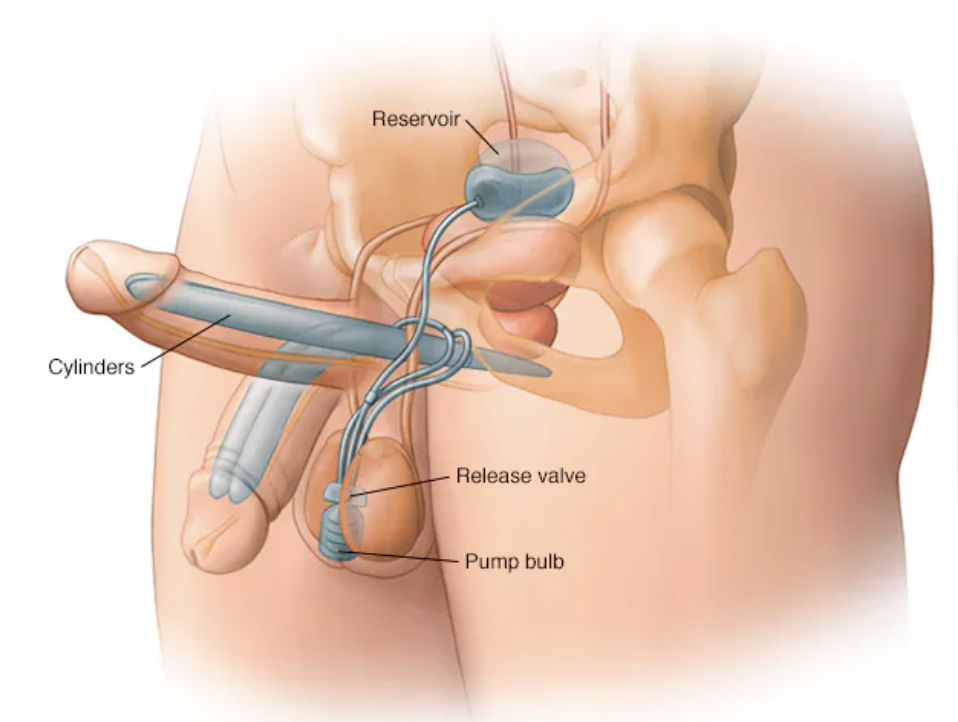
An inflatable penile implant contains cylinders placed inside the penis, a pump positioned inside the scrotum, and a fluid reservoir.
When the patient activates the pump, fluid moves into the cylinders, creating an erection. After sexual activity, the device can be deflated.
In addition, inflatable implants are designed to provide a more natural flaccid appearance when not in use.
2. Malleable Penile Implant
A malleable penile implant consists of flexible rods placed inside the penis.
The patient manually positions the penis upward for sexual activity and downward when it is not needed. Unlike inflatable implants, this type does not require a pump or fluid reservoir.
Therefore, it may be considered for certain patients who prefer a simpler mechanical design.
How Is Penile Implant Surgery Performed?
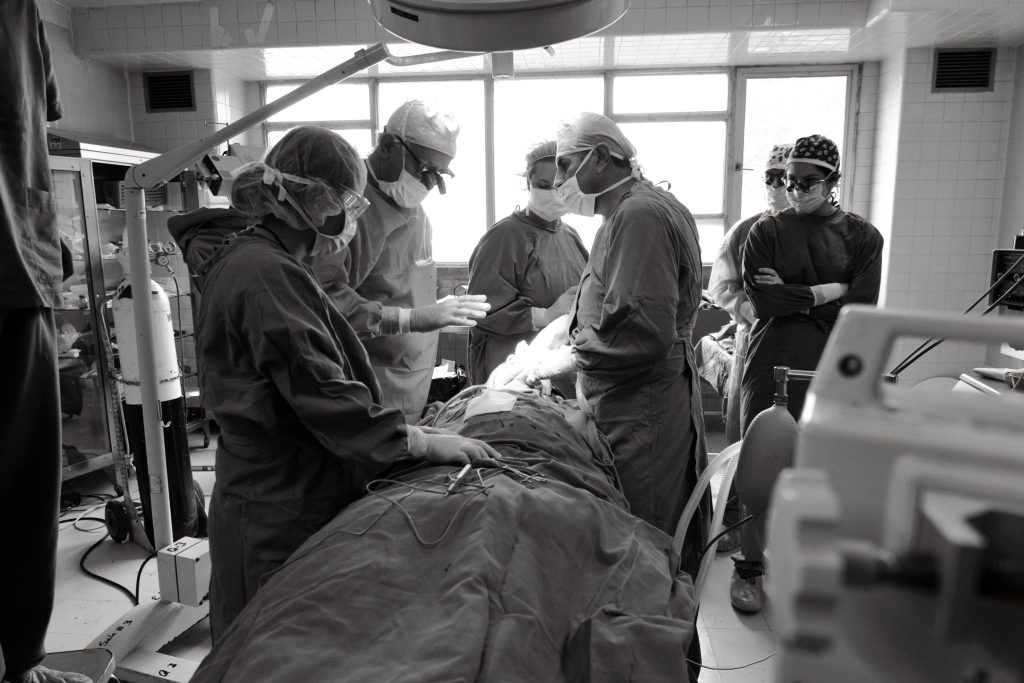
Penile implant surgery is performed in a hospital or specialized surgical facility under anesthesia.
Although the exact technique varies, the procedure generally includes several steps:
- Anesthesia: The patient receives anesthesia to prevent pain during surgery.
- Surgical incision: The surgeon makes an incision in an appropriate area to access the erectile chambers.
- Implant placement: The surgeon prepares the spaces inside the penis and places the selected implant.
- Device positioning: For inflatable implants, the pump and reservoir are positioned in their designated locations.
- Closing the incision: The surgical area is closed, and the patient receives postoperative instructions.
The duration of surgery varies depending on the implant type, surgical technique, and individual circumstances.
What Should You Expect Before Surgery?
Before penile implant surgery, the doctor performs a detailed assessment to determine whether the procedure is appropriate.
This assessment may include:
- Medical and surgical history.
- Evaluation of erectile dysfunction and previous treatments.
- Physical examination.
- Assessment of diabetes and other medical conditions.
- Review of medications and possible infection risks.
- Discussion of implant types and expected outcomes.
Furthermore, patients should discuss their expectations and ask about the advantages and limitations of each device.
Recovery After Penile Implant Surgery
Recovery takes place gradually, and the timeline varies between patients.
During the first few days, some swelling, bruising, and discomfort may occur. However, these symptoms usually improve as healing progresses.
The First Few Days
Patients should follow wound-care instructions, take prescribed medications, and avoid activities that may put pressure on the surgical area.
The First Few Weeks
During this period, swelling and discomfort generally continue to improve. Moreover, the surgeon may schedule follow-up appointments to monitor healing and check the implant.
Returning to Sexual Activity
Patients should not resume sexual activity until the surgeon confirms that healing is sufficient and the device can be used safely.
The exact timing depends on the procedure and individual recovery.
Benefits of Penile Implant Surgery
For appropriately selected patients, penile implants can provide several potential benefits:
- A reliable mechanical solution for erectile dysfunction.
- Greater control over the timing of an erection.
- No need to depend on taking ED medication before every sexual encounter.
- Long-term treatment, although the device may eventually require revision or replacement.
- Improved confidence and sexual satisfaction for some patients.
Nevertheless, outcomes and satisfaction vary. A detailed consultation helps establish realistic expectations.
Possible Risks and Complications
Like any surgical procedure, penile implant surgery carries potential risks.
These may include:
- Infection around the implant.
- Bleeding or swelling.
- Pain during the healing period.
- Mechanical device malfunction.
- Implant erosion or displacement.
- Changes in penile sensation.
- Need for additional surgery.
In particular, infection is an important complication that may require further treatment or implant removal. Therefore, choosing an experienced surgeon and following postoperative instructions are essential.
Does a Penile Implant Affect Sexual Sensation or Orgasm?
A penile implant is designed to help achieve an erection. It does not directly create sexual desire or guarantee orgasm.
In many patients, natural penile sensation and the ability to experience orgasm are preserved. However, individual results depend on existing medical conditions, nerve function, and other factors.
Additionally, a penile implant does not usually increase penis length. Patients should discuss concerns about penile size and expectations before surgery.
How Long Does a Penile Implant Last?
A penile implant is designed for long-term use. However, it is a mechanical medical device, and its components may wear out or malfunction over time.
The lifespan varies according to the implant model, patient factors, and other circumstances. Some patients may eventually require revision surgery or replacement.
Therefore, regular follow-up and medical assessment remain important even after successful recovery.
Frequently Asked Questions
Is penile implant surgery permanent?
The implant is intended as a long-term treatment. However, it may need revision or replacement if complications or mechanical problems develop.
Is penile implant surgery painful?
The procedure is performed under anesthesia. Some discomfort, swelling, and pain may occur afterward, but these symptoms are generally managed with prescribed treatment.
Can a man urinate normally after penile implant surgery?
The implant is placed inside the erectile chambers and is not designed to interfere with urination. However, temporary postoperative symptoms may occur and should be discussed with the surgeon.
Does a penile implant increase penis size?
No. The purpose of the implant is to provide rigidity for sexual activity, not to increase penile length or girth.
When can I return to normal activities?
Recovery differs between patients. The surgeon provides specific instructions about work, exercise, and sexual activity according to healing progress.
Conclusion
Penile implant surgery can be an effective treatment option for men with persistent erectile dysfunction who have not benefited from other suitable treatments. However, choosing between inflatable and malleable implants requires careful medical evaluation.
Understanding the procedure, recovery process, and possible complications helps patients make informed decisions. A consultation with a specialist in andrology and male reproductive surgery is the best starting point for determining whether penile implant surgery is appropriate.


Leave a Reply
You must be logged in to post a comment.