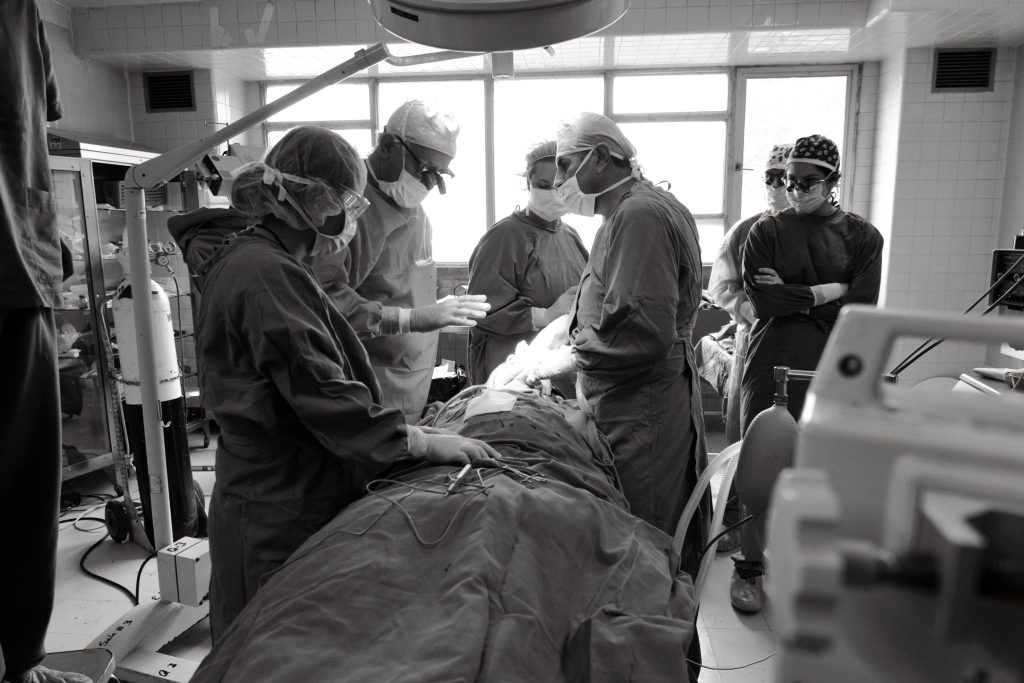
However, Peyronie’s disease does not always require surgery. Therefore, doctors carefully assess each patient before recommending an operation. In addition, the treatment plan depends on the severity of penile curvature and erectile function.
Peyronie’s Disease Surgery: When Is Surgery Necessary?
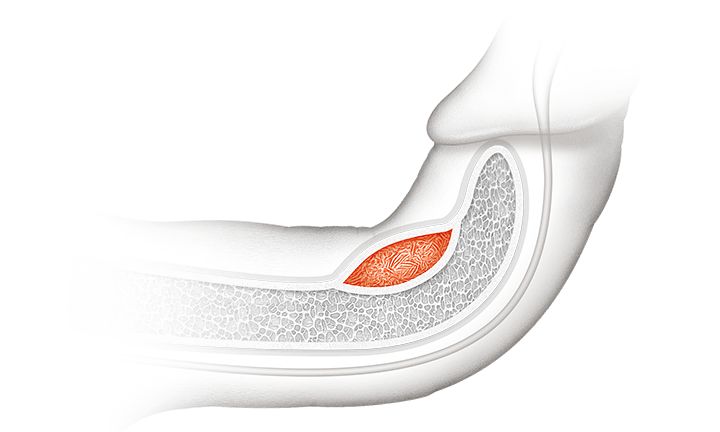
Peyronie’s disease can cause the penis to bend during an erection. In some men, the curvature is mild and does not affect sexual activity. However, severe curvature may make intercourse difficult or uncomfortable. As a result, some patients may consider surgical treatment.
Peyronie’s disease surgery aims to correct penile deformity and improve sexual function. However, surgery is not necessary for every patient. Instead, doctors evaluate the severity of the curvature, erectile function, penile length, and disease stability before recommending a procedure.
Therefore, understanding the available surgical options can help patients make informed decisions with their specialist.
When Is Surgery Necessary for Peyronie’s Disease?
Surgery may be appropriate when penile curvature significantly affects sexual intercourse. For example, some men cannot achieve comfortable penetration because of the degree or direction of the deformity.
However, doctors do not recommend surgery based on curvature alone. They also consider the patient’s symptoms, erectile function, and personal expectations.
A specialist may discuss surgery when:
- Penile curvature makes sexual intercourse difficult or impossible.
- The deformity causes significant discomfort.
- The condition has become stable.
- Non-surgical treatments have not provided sufficient improvement.
- The patient wants a surgical solution after understanding the benefits and risks.
In addition, the doctor must assess whether the patient has erectile dysfunction. This factor plays an important role in choosing the appropriate procedure.
Why Must Peyronie’s Disease Be Stable Before Surgery?
Peyronie’s disease usually develops through active and stable stages. During the active stage, the curvature may continue to change. Moreover, some patients experience pain during erections.
Therefore, surgery during this stage may not provide a predictable long-term result.
During the stable stage, the curvature stops progressing and pain often decreases. As a result, doctors can assess the final deformity more accurately.
The European Association of Urology recommends surgery only when the disease is stable and sexual intercourse is compromised by the deformity. Its guidance discusses a period of stability of three to six months, with timing also considered in relation to symptom onset.
However, recommendations can vary between clinical guidelines and individual cases. Therefore, the specialist should determine the appropriate timing for each patient.
Types of Peyronie’s Disease Surgery
There are several surgical procedures for correcting penile curvature. However, each technique is designed for specific clinical situations.
The specialist considers penile length, curvature severity, erectile function, and the presence of complex deformities before selecting a procedure.
1. Penile Plication Surgery
Penile plication is a surgical technique used to correct curvature by shortening the side opposite the plaque.
During the procedure, the surgeon places carefully positioned sutures in the penile tissue. These sutures help straighten the penis during an erection.
This option may be suitable for patients who have:
- Good erectile function.
- Adequate penile length.
- Mild to moderate curvature.
- No significant hourglass deformity or penile instability.
However, penile shortening is a possible side effect. Therefore, the surgeon should discuss this possibility before the operation.
2. Plaque Incision and Grafting Surgery
Plaque incision and grafting is another option for selected patients with more severe curvature or complex penile deformities.
During this procedure, the surgeon makes an incision in the scar tissue to release the tension causing the curvature. A graft is then used to cover the resulting defect.
Unlike plication, this technique does not rely on shortening the opposite side of the penis. Therefore, doctors may consider it when penile length is a major concern.
However, grafting procedures carry a risk of postoperative erectile dysfunction and changes in penile sensation. Consequently, careful patient selection is essential.
3. Penile Implant Surgery
Some men with Peyronie’s disease also have erectile dysfunction that does not respond adequately to medication or other treatments.
In these cases, penile implant surgery may be recommended. The implant provides the rigidity needed for sexual intercourse.
There are two main types of penile implants:
- Malleable Penile Implant: This implant contains bendable rods that allow the patient to position the penis manually.
- Inflatable Penile Implant: This system uses fluid-filled cylinders and a pump to create an erection when needed.
In addition, the surgeon may perform extra straightening techniques if significant curvature remains after implant placement.
The choice depends on erectile function, penile anatomy, medical history, and patient preference.
How Do Doctors Choose the Right Surgical Procedure?
There is no single surgical technique suitable for every patient. Instead, the specialist evaluates several important factors.
Penile Length: The doctor measures penile length before surgery. This helps assess the risk of further shortening and choose an appropriate procedure.
Curvature Severity: The degree and direction of curvature can influence the surgical approach. Moreover, complex deformities may require different techniques.
Erectile Function: Patients with good erectile function may be candidates for plication or grafting. However, men with erectile dysfunction that does not respond to treatment may need a penile implant.
Penile Deformity: Hourglass narrowing, indentation, or hinge-like instability may affect the choice of surgery.
Patient Expectations: The specialist should discuss realistic outcomes before the procedure. Therefore, patients understand what surgery can and cannot achieve.
The main goal is to achieve a functionally straight penis that allows comfortable sexual intercourse. It does not necessarily mean restoring the exact penile shape or length the patient had before the disease.
What Are the Possible Risks of Peyronie’s Disease Surgery?
Like any surgical procedure, Peyronie’s disease surgery carries potential risks. However, the type and likelihood of complications depend on the procedure and the patient’s condition.
Possible complications include:
- Penile shortening.
- Erectile dysfunction.
- Changes in penile sensation.
- Persistent or recurrent curvature.
- Pain or swelling during recovery.
- Infection or wound-healing problems.
- Palpable sutures or knots beneath the skin.
For example, plication may cause some penile shortening. On the other hand, grafting procedures may carry a higher risk of postoperative erectile dysfunction.
Therefore, patients should discuss the potential complications with their surgeon before making a decision.
What Is the Recovery Time After Peyronie’s Disease Surgery?
Recovery depends on the surgical technique, general health, and individual healing process. Consequently, patients may not follow exactly the same recovery timeline.
During the first few days, some swelling, bruising, or discomfort may occur. However, these symptoms usually improve as healing progresses.
The surgeon provides specific instructions regarding wound care, medication, and physical activity. In addition, follow-up appointments help monitor healing and identify possible complications.
Patients should avoid sexual activity until their surgeon confirms that healing is sufficient. The recommended waiting period varies according to the procedure and individual recovery.
Furthermore, some patients may need additional rehabilitation or follow-up treatment to support their recovery.
Can Peyronie’s Disease Return After Surgery?
Surgery aims to correct penile curvature. However, it does not completely eliminate the possibility of future changes.
Some patients may experience residual curvature or recurrence after treatment. In addition, the underlying disease may continue to affect penile tissue in certain cases.
The risk depends on several factors, including disease stability, the surgical technique, and individual healing.
Therefore, choosing an experienced specialist and following postoperative instructions are important parts of treatment.
Does Peyronie’s Disease Surgery Improve Sexual Performance?
The main goal of surgery is to correct penile deformity and make sexual intercourse more comfortable or possible.
For men whose curvature prevents penetration, surgical correction may improve sexual function. However, the outcome depends on erectile function and the type of procedure.
It is important to understand that surgery does not guarantee improved erections. If erectile dysfunction is also present, the doctor must address this problem as part of the treatment plan.
Moreover, patients should discuss their expectations and concerns before surgery to understand the likely outcome.
Questions to Ask Your Doctor Before Surgery
Before choosing a surgical procedure, patients should discuss important details with their specialist.
Consider asking the following questions:
- Which surgical procedure is suitable for my condition?
- Will the operation affect penile length?
- What are the possible risks?
- How long will recovery take?
- When can I resume sexual activity?
- Is there a possibility of recurrent curvature?
- Will I need additional treatment after surgery?
These questions help patients understand the procedure. Furthermore, they support informed decisions based on individual needs and expectations.
Frequently Asked Questions About Peyronie’s Disease Surgery
1. Is Surgery the Only Treatment for Peyronie’s Disease?
No, surgery is not the only treatment. Some patients may benefit from non-surgical options, depending on their symptoms and disease stage. However, surgery may be considered when stable curvature significantly affects sexual intercourse.
2. Is Peyronie’s Disease Surgery Painful?
Patients may experience some discomfort after surgery. However, doctors can prescribe medication to help manage postoperative pain.
3. Does Penile Plication Make the Penis Shorter?
Penile plication can cause some shortening because the procedure corrects curvature by shortening the opposite side. Therefore, penile length should be discussed during the preoperative assessment.
4. Can Men With Erectile Dysfunction Have Peyronie’s Disease Surgery?
Yes. However, the appropriate procedure depends on the severity of erectile dysfunction and the response to medical treatment. In some cases, a penile implant may be the preferred option.
5. How Long Should I Wait Before Having Sex After Surgery?
The waiting period depends on the procedure and healing progress. Therefore, patients should follow their surgeon’s instructions before resuming sexual activity.
Conclusion
Peyronie’s disease surgery may help men who experience significant penile curvature that interferes with sexual intercourse. However, the right procedure depends on disease stability, penile length, curvature severity, and erectile function.
Options include penile plication, plaque incision and grafting, and penile implant surgery. Each procedure has different benefits and potential risks.
Therefore, consulting an experienced specialist is essential before choosing surgery. A detailed assessment can help determine the most appropriate approach and establish realistic expectations for recovery and sexual function.


Leave a Reply
You must be logged in to post a comment.