Peyronie’s Disease Treatment: Causes, Symptoms and Treatment Options
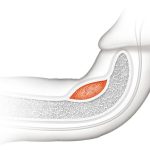
Peyronie’s disease is a condition that causes the penis to bend during an erection. It develops when scar tissue, known as plaque, forms inside the penis. As a result, the affected area may not stretch normally during an erection.
Some men experience mild curvature. However, others may develop significant deformity, pain, or difficulty during sexual intercourse. In addition, the condition can affect confidence and emotional well-being.
Fortunately, several Peyronie’s disease treatment options are available. Therefore, understanding the causes, symptoms, and available treatments is an important first step toward receiving appropriate care.
What Is Peyronie’s Disease?
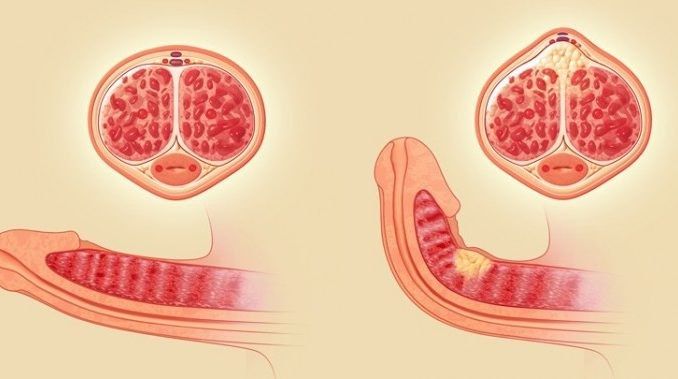
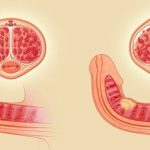
Peyronie’s disease occurs when fibrous scar tissue develops inside the tunica albuginea. This is the elastic tissue surrounding the erectile chambers of the penis.
During an erection, healthy tissue stretches to allow the penis to expand. However, scar tissue does not stretch in the same way. Consequently, the affected area may restrict expansion and cause the penis to bend.
The curvature may point upward, downward, or to either side. Moreover, some men develop narrowing, indentation, or an hourglass-shaped deformity.
In more severe cases, these changes may make sexual intercourse difficult. Therefore, a medical assessment can help determine the severity of the condition.
What Causes Peyronie’s Disease?
The exact cause of Peyronie’s disease is not always clear. However, doctors believe that repeated minor injuries may contribute to scar tissue formation.
These injuries can happen during sexual activity or other physical activities. In some men, the body responds to tissue damage through an abnormal healing process. As a result, fibrous plaque may develop inside the penis.
Several factors may contribute to the condition:
- Repeated penile injuries or trauma.
- A history of penile surgery or injury.
- Certain connective tissue disorders.
- A family history of Peyronie’s disease.
- Conditions such as Dupuytren’s contracture.
Nevertheless, having one or more of these factors does not mean that a man will definitely develop Peyronie’s disease. In addition, some patients cannot identify a specific injury before their symptoms begin.
Common Symptoms of Peyronie’s Disease
Symptoms can vary from one patient to another. For example, some men notice a slight bend, while others experience more noticeable changes in penile shape.
The most common symptoms include:
- Penile curvature during erection.
- Pain during erections, especially in the early stage.
- A firm lump or plaque under the penile skin.
- Shortening of the penis.
- Narrowing or an hourglass appearance.
- Difficulty achieving or maintaining an erection.
- Difficulty during sexual intercourse.
Furthermore, symptoms may develop gradually or appear over a short period. Therefore, men should seek medical advice if they notice a new or worsening penile deformity.
What Are the Stages of Peyronie’s Disease?
Peyronie’s disease generally develops through two stages. Understanding these stages helps doctors select an appropriate treatment plan.
1. Active Stage
During the active stage, the condition may continue to change. For instance, penile curvature may become more noticeable over time.
Some men also experience pain during erections. In addition, the shape of the penis may change as scar tissue develops.
This stage can last several months. Therefore, treatment usually focuses on managing pain and monitoring changes in the condition.
2. Stable Stage
During the stable stage, penile curvature stops changing. Moreover, pain may decrease or disappear completely.
Doctors consider disease stability when the deformity remains unchanged for a period of time. This stage is particularly important when considering surgery.
In fact, current medical guidelines recommend surgery only when the disease is stable and the deformity significantly affects sexual intercourse.
How Is Peyronie’s Disease Diagnosed?
A specialist usually begins with a detailed medical and sexual history. First, the doctor asks when the symptoms started and whether the curvature has changed.
Next, a physical examination may help identify scar tissue or penile plaques. The specialist may also assess penile length and erectile function.
In some cases, the doctor may recommend an ultrasound or penile Doppler examination. These tests provide additional information about penile tissue and blood flow.
Additionally, an erection assessment may help determine the direction and degree of curvature. Accurate diagnosis is essential because treatment depends on the patient’s condition and symptoms.
Peyronie’s Disease Treatment Options
There is no single treatment suitable for every patient. Instead, the specialist considers several factors before recommending a treatment plan.
These factors include the disease stage, curvature severity, pain, penile length, and erectile function. Generally, treatment options include non-surgical approaches and surgical procedures.
1. Non-Surgical Peyronie’s Disease Treatment
Some men can manage their symptoms without surgery. In particular, non-surgical treatments may be considered during the active stage or when surgery is not appropriate.
Pain Management
Doctors may recommend anti-inflammatory medication to reduce pain during the active stage. However, pain relief does not necessarily correct penile curvature.
Penile Traction Therapy
Penile traction devices apply controlled stretching to the penis. According to clinical evidence, these devices may help reduce deformity or preserve penile length in selected patients.
However, results can vary. Therefore, patients should use traction devices under medical guidance.
Injection Therapy
Certain medications can be injected directly into the plaque. For example, collagenase treatment has been used in selected patients with specific types of penile curvature.
However, suitability depends on plaque characteristics, curvature severity, availability, and individual medical assessment. Furthermore, injection therapy may involve side effects and requires specialist supervision.
Shockwave Therapy
Shockwave therapy may help reduce penile pain in some patients. However, current European guidelines do not recommend it as a treatment for correcting penile curvature or reducing plaque size.
Therefore, patients should understand its limitations before considering this option.
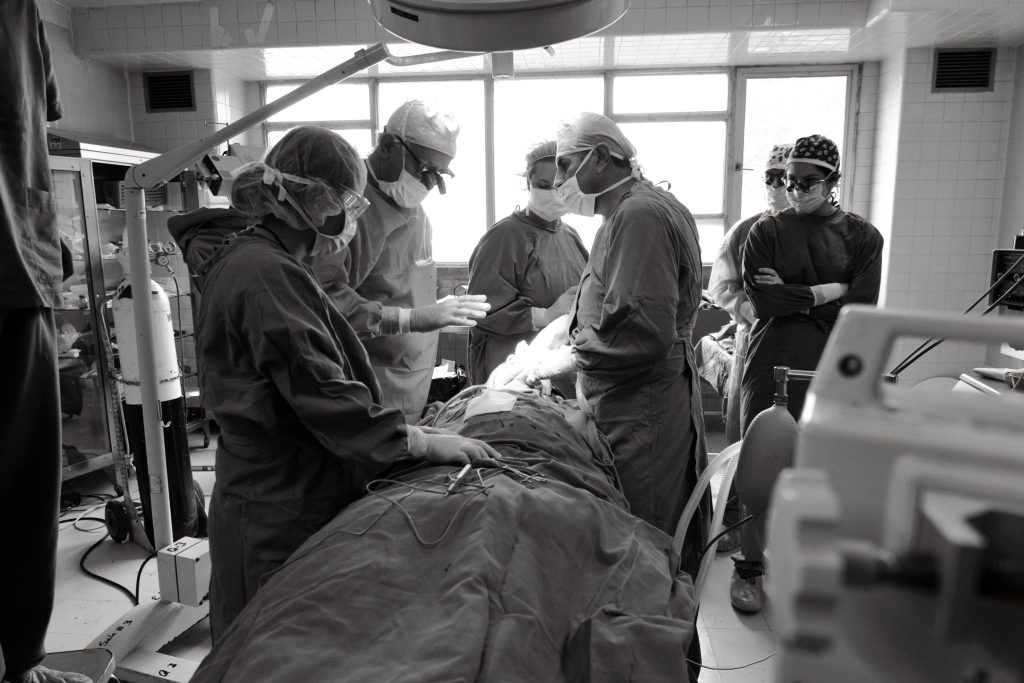
2. Peyronie’s Disease Surgery
Surgery may be considered when penile curvature causes significant difficulty during sexual intercourse. However, doctors usually recommend surgery only after the condition becomes stable.
The choice of procedure depends on penile length, curvature severity, erectile function, and the patient’s expectations.
Penile Plication Surgery
Penile plication is a procedure that corrects curvature by shortening the side opposite the scar tissue. As a result, the penis becomes straighter during an erection.
Doctors may consider this option for men with adequate penile length and good erectile function. However, some penile shortening may occur.
Plaque Incision and Grafting
This procedure involves making an incision in the scar tissue to reduce the curvature. The surgeon may then use a graft to cover the resulting gap.
It may be suitable for selected patients with severe curvature or complex deformities. Nevertheless, the doctor must carefully assess erectile function before recommending this procedure.
Penile Implant Surgery
Some men have both Peyronie’s disease and erectile dysfunction that does not respond to medical treatment. In such cases, penile implant surgery may be considered.
The implant helps provide the rigidity needed for sexual intercourse. In addition, the surgeon may use other techniques to correct any remaining curvature when necessary.
Each surgical procedure has potential benefits and risks. Therefore, patients should discuss the expected results, possible complications, and recovery process with an experienced specialist.
Can Peyronie’s Disease Be Treated Without Surgery?
Yes, some patients can manage Peyronie’s disease without surgery. However, the appropriate treatment depends on the stage of the condition and the effect of curvature on sexual activity.
For example, pain management may help during the active stage. Similarly, penile traction or selected injection treatments may be considered in suitable cases.
Nevertheless, non-surgical treatment does not guarantee complete correction. If the curvature remains severe and prevents sexual intercourse, the doctor may discuss surgical options.
Penile Curvature After Injury: Is It Always Peyronie’s Disease?
Not every case of penile curvature after an injury means Peyronie’s disease. For instance, some injuries may cause temporary pain or swelling.
However, trauma can sometimes contribute to scar tissue formation and acquired penile curvature. A specialist can assess the symptoms and determine the underlying cause.
A sudden injury accompanied by a popping sound, severe pain, rapid swelling, bruising, or immediate loss of erection may indicate a penile fracture.
This is a medical emergency. Therefore, immediate medical assessment is essential if these symptoms occur.
Does Peyronie’s Disease Affect Sexual Performance?
Peyronie’s disease can affect sexual performance in several ways. For example, significant curvature may make penetration difficult or painful.
In addition, some men experience erectile dysfunction alongside penile deformity. Concerns about penile appearance may also affect confidence and intimacy.
Fortunately, medical assessment can help identify these problems. The specialist can then discuss suitable treatment options based on the patient’s needs.
When Should You See a Specialist?
You should consult a specialist if you notice changes in penile shape or experience symptoms that affect your sexual health.
In particular, seek medical advice if you experience:
- A new or increasing penile curvature.
- Pain during erections.
- A hard lump or plaque inside the penis.
- Shortening or narrowing of the penis.
- Difficulty during sexual intercourse.
- Erectile dysfunction alongside penile curvature.
Early assessment helps the doctor understand the condition. Furthermore, it allows the specialist to recommend an appropriate treatment plan.
Frequently Asked Questions About Peyronie’s Disease Treatment
1. Can Peyronie’s Disease Go Away on Its Own?
Pain may improve over time. However, penile curvature does not always disappear without treatment.
Therefore, a specialist should assess whether monitoring or active treatment is necessary.
2. Is Peyronie’s Disease Dangerous?
Peyronie’s disease is not usually life-threatening. Nevertheless, it can affect sexual function, confidence, and quality of life.
For this reason, medical assessment is important when symptoms develop.
3. Does Peyronie’s Disease Always Require Surgery?
No, many patients do not need surgery. Instead, doctors consider surgery when stable curvature causes significant functional problems.
The specialist will assess the patient’s condition before recommending a procedure.
4. Can Peyronie’s Disease Cause Erectile Dysfunction?
Yes, some men experience erectile dysfunction alongside penile curvature. However, the severity and underlying causes can differ between patients.
Therefore, both conditions should be assessed before choosing treatment.
5. When Is Surgery Recommended for Peyronie’s Disease?
Doctors may recommend surgery when the disease is stable and the curvature significantly interferes with sexual intercourse.
In addition, the specialist considers penile length, curvature severity, erectile function, and patient expectations before selecting a procedure.
Conclusion
Peyronie’s disease can cause penile curvature, pain, and difficulties during sexual activity. However, several treatment options are available, including pain management, traction therapy, selected injection treatments, and surgery.
The best Peyronie’s disease treatment depends on the patient’s symptoms and the stage of the condition. Therefore, consulting an experienced specialist is an important step toward choosing an appropriate treatment plan.

Leave a Reply
You must be logged in to post a comment.