Penile Curvature After Injury: Causes, Diagnosis and Treatment
Penile curvature after injury can develop when trauma affects the tissues inside the penis. In some cases, the injury causes temporary swelling or bruising. However, more serious injuries may damage internal structures and lead to long-term changes in penile shape.
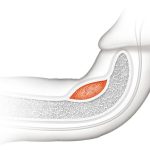
One possible cause is Peyronie’s disease, which develops when scar tissue forms inside the penis. As a result, the penis may bend during an erection.
However, not every injury causes Peyronie’s disease. Therefore, identifying the type of injury is essential before choosing a treatment.
Can an Injury Cause Penile Curvature?
Yes, certain penile injuries can contribute to acquired penile curvature. For example, trauma may damage the tunica albuginea, the elastic tissue surrounding the erectile chambers.
During the healing process, scar tissue may develop. Consequently, the affected area may not stretch normally during an erection.
In some men, this process can lead to Peyronie’s disease. In addition, repeated minor injuries may contribute to scar tissue formation over time.
Nevertheless, the severity of the injury does not always predict the final outcome. Therefore, a specialist should assess any persistent change in penile shape.
Common Causes of Penile Curvature After Injury
Several types of trauma may affect penile tissue. However, the nature and severity of the injury determine the possible complications.
1. Injury During Sexual Activity
Penile injuries can occur during sexual intercourse, particularly when the erect penis bends forcefully.
For instance, the penis may slip out and strike against the partner’s body. As a result, the internal tissues may become injured.
In some cases, the injury is minor. However, sudden pain, swelling, bruising, or loss of erection may indicate a more serious problem.
2. Sports and Physical Activities
Contact sports and physical accidents can cause direct trauma to the genital area.
For example, cycling accidents, falls, or direct impact may injure penile tissue. Nevertheless, not every impact leads to permanent curvature.
If a visible deformity develops or symptoms persist, medical evaluation is recommended.
3. Repeated Minor Injuries
Some men may experience repeated minor trauma without noticing a specific injury.
Over time, these injuries may contribute to tissue damage and abnormal healing. Consequently, scar tissue may develop and cause acquired penile curvature.
This process can be associated with Peyronie’s disease.
What Is the Difference Between Penile Injury and Peyronie’s Disease?
Penile injury and Peyronie’s disease are related but different conditions.
A penile injury refers to physical damage affecting the tissues of the penis. On the other hand, Peyronie’s disease involves the development of fibrous scar tissue, which can cause curvature during an erection.
The main differences include:
- Penile Injury: May cause immediate pain, swelling, bruising, or tissue damage.
- Peyronie’s Disease: Usually involves scar tissue formation and penile curvature that may develop gradually.
- Penile Fracture: Involves a tear in the tunica albuginea and requires urgent medical treatment.
- Acquired Penile Curvature: Refers to a bend that develops after previously having a straighter penis.
Therefore, an examination is important to identify the actual condition.
What Are the Symptoms of Penile Curvature After Injury?
Symptoms depend on the type and severity of trauma. Some patients experience immediate symptoms, while others notice changes over time.
Common symptoms include:
- New penile curvature during erection.
- Pain during erections.
- Swelling or bruising.
- A firm lump or scar tissue.
- Shortening or narrowing of the penis.
- Difficulty achieving or maintaining an erection.
- Pain or difficulty during sexual intercourse.
In addition, some patients notice a change in penile shape several weeks or months after the initial injury.
However, sudden severe symptoms should never be ignored.
Penile Fracture: When Is Penile Injury an Emergency?
A penile fracture is a serious injury involving a tear in the tunica albuginea. It commonly occurs when an erect penis bends forcefully.
Typical warning signs include:
- A sudden popping or cracking sound.
- Sharp pain during the injury.
- Immediate loss of erection.
- Rapid swelling of the penis.
- Significant bruising or discoloration.
- Blood at the urinary opening or difficulty urinating.
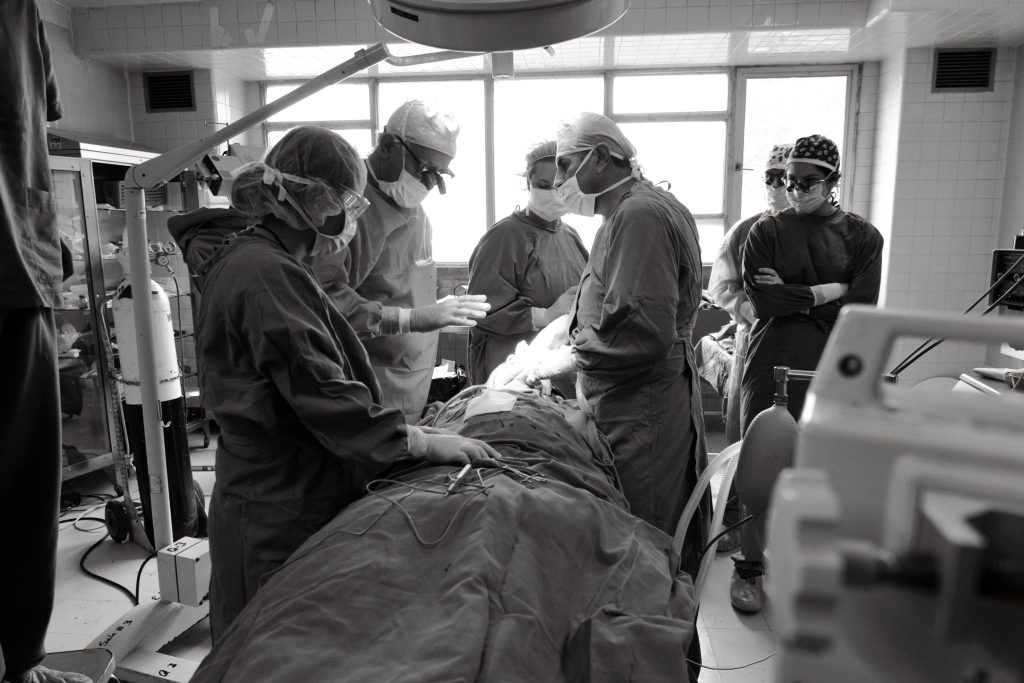
These symptoms require immediate emergency medical assessment. In fact, suspected penile fractures usually require prompt surgical repair.
Do not wait for the swelling or pain to disappear. Instead, seek emergency medical care immediately if these symptoms occur.
How Is Penile Curvature After Injury Diagnosed?
A specialist begins by reviewing the injury and the symptoms that followed it. First, the doctor asks when the injury occurred and whether the curvature appeared immediately or developed later.
Next, a physical examination may help identify swelling, bruising, scar tissue, or other abnormalities.
Depending on the findings, additional tests may be necessary.
1. Physical Examination
The doctor examines the penis to identify visible deformities, tenderness, swelling, or palpable scar tissue.
In addition, the specialist may ask about changes in erections and sexual function.
2. Penile Ultrasound
Ultrasound can help assess penile tissue and identify certain structural abnormalities.
Moreover, Doppler ultrasound may provide information about blood flow when erectile function is also a concern.
3. MRI Examination
MRI may be considered when the diagnosis remains unclear or when additional anatomical information is needed.
However, not every patient requires MRI. The specialist chooses imaging tests according to the clinical findings.
Treatment for Penile Curvature After Injury
Treatment depends on the type of injury, the presence of scar tissue, and the severity of the curvature.
Therefore, there is no single treatment suitable for every patient.
1. Treatment for Minor Penile Injuries
Minor injuries without significant structural damage may be managed conservatively.
For example, doctors may recommend pain relief and appropriate supportive care. However, patients should receive medical advice before using medication or applying treatments.
In addition, follow-up may be necessary to monitor healing and identify delayed complications.
2. Non-Surgical Treatment for Acquired Penile Curvature
If the injury leads to Peyronie’s disease, selected non-surgical treatments may be considered.
These options include:
- Penile traction therapy.
- Selected injection treatments.
- Medication for associated pain.
- Treatment for erectile dysfunction when present.
However, the effectiveness of each option varies. Furthermore, non-surgical treatments do not guarantee complete correction of penile curvature.
3. Surgical Treatment for Penile Curvature
Surgery may be considered when persistent curvature significantly affects sexual intercourse.
Depending on the patient’s condition, surgical options may include penile plication or plaque incision and grafting.
In addition, men with significant erectile dysfunction that does not respond to treatment may be considered for penile implant surgery.
The specialist selects the appropriate procedure after assessing penile length, curvature severity, and erectile function.
Can Penile Curvature After Injury Improve Naturally?
Some minor injuries improve as the tissues heal. However, persistent curvature caused by scar tissue may not disappear on its own.
For example, pain and swelling may decrease while the penile deformity remains.
Therefore, improvement in pain does not necessarily mean that the underlying problem has resolved.
A specialist can determine whether observation is appropriate or whether additional treatment is needed.
Can Penile Curvature After Injury Affect Erectile Function?
Yes, significant penile trauma may affect erectile function. For instance, damage to the erectile tissue or associated blood vessels may contribute to erection problems.
In addition, Peyronie’s disease may occur alongside erectile dysfunction.
Some men also experience anxiety about sexual activity after an injury. Consequently, their confidence and sexual performance may be affected.
Therefore, the specialist should assess both penile structure and erectile function during the consultation.
When Should You See a Specialist?
You should consult a urologist if you notice a persistent change in penile shape after an injury.
In particular, seek medical advice if you experience:
- New penile curvature.
- Pain during erections.
- A hard lump or scar tissue.
- Shortening or narrowing of the penis.
- Difficulty during sexual intercourse.
- New erectile dysfunction.
However, if you experience sudden severe pain, a popping sound, rapid swelling, or immediate loss of erection, go to an emergency department without delay.
Frequently Asked Questions About Penile Curvature After Injury
1. Can Penile Injury Cause Peyronie’s Disease?
Yes, penile trauma may contribute to scar tissue formation. However, not every injury leads to Peyronie’s disease.
2. Can Penile Curvature Develop Months After an Injury?
Yes, some men notice curvature gradually as scar tissue develops during healing. Therefore, delayed changes should also be assessed.
3. Does Every Penile Injury Require Surgery?
No, many minor injuries do not require surgery. However, suspected penile fractures need urgent specialist assessment and usually surgical repair.
4. Can Penile Curvature After Injury Be Corrected Without Surgery?
Some patients may benefit from non-surgical treatments. Nevertheless, the appropriate approach depends on the cause and severity of the curvature.
5. Is Penile Fracture the Same as Peyronie’s Disease?
No. Penile fracture is an acute injury involving a tear in the tunica albuginea. In contrast, Peyronie’s disease involves scar tissue formation that causes penile curvature.
6. Can Penile Injury Cause Erectile Dysfunction?
Yes, significant trauma may affect erectile function. Therefore, patients who develop erection problems after an injury should receive a medical assessment.
Conclusion
Penile curvature after injury can develop due to tissue damage, abnormal healing, or scar tissue formation. However, the cause and severity differ between patients.
Some injuries require only monitoring and supportive care. Others, particularly penile fractures, require urgent medical treatment.
Therefore, early assessment by an experienced urologist is important. An accurate diagnosis helps determine the appropriate treatment and reduces the risk of long-term complications.


Leave a Reply
You must be logged in to post a comment.