Obstructive Azoospermia: Causes, Diagnosis, and Treatment
Obstructive azoospermia is a form of male infertility in which sperm are produced in the testicles but cannot reach the semen because of a blockage somewhere along the reproductive tract. As a result, a semen analysis may show no sperm even though sperm production is preserved. This is an important distinction because the treatment can be different from other causes of azoospermia. Depending on the cause and location of the blockage, treatment may include microsurgical reconstruction, sperm retrieval, or assisted reproductive techniques such as ICSI. If you would like to learn more about azoospermia in general, you can read our previous article, Azoospermia: What Does It Mean When There Are No Sperm?
What Is Obstructive Azoospermia?
Normally, sperm are produced inside the testicles and then mature in the epididymis. They travel through the vas deferens and other reproductive ducts before mixing with fluids from the prostate and seminal vesicles to form semen. If one of these pathways becomes blocked, sperm may remain inside the testicles or epididymis and fail to appear in the ejaculate. In this situation, the problem is not necessarily a failure to produce sperm, but rather an inability of the sperm to reach the semen.
What Causes Obstructive Azoospermia?
There are several possible causes. Some men are born with abnormalities of the reproductive tract, while others develop a blockage later in life. Previous infections or inflammation can cause scarring of the epididymis or vas deferens. Previous surgery can also affect the reproductive ducts. A vasectomy is another common cause because it intentionally interrupts the vas deferens to prevent sperm from entering the semen. Other causes may include epididymal blockage, vasal obstruction, or blockage of the ejaculatory ducts. In men with congenital absence of the vas deferens, genetic conditions involving the CFTR gene may also need to be considered.
How Is It Diagnosed?
Diagnosis starts with a detailed medical and reproductive history, followed by a physical examination and semen analysis. The doctor may evaluate the size and consistency of the testicles, examine the epididymis, and determine whether the vas deferens can be felt. Hormonal testing may also be performed. Men with an obstruction often have preserved testicular function and may have normal or relatively normal hormone levels, although laboratory results must always be interpreted together with the physical examination and other findings. More than one semen analysis may be needed to confirm that sperm are consistently absent from the ejaculate.
Why Does Semen Volume Matter?
The characteristics of the semen can provide useful clues about where a blockage may be located. A very low semen volume, particularly when combined with an acidic pH, may suggest an obstruction involving the ejaculatory ducts or an abnormality affecting the seminal vesicles. On the other hand, men with obstruction of the epididymis or vas deferens may have a more typical semen volume because the prostate and seminal vesicles can continue to contribute fluid. These findings alone cannot establish the diagnosis, but they can help guide further evaluation.
What Tests May Be Needed?
Additional testing depends on the suspected cause. Hormonal tests can help determine whether sperm production is likely to be preserved. Scrotal ultrasound may be used to assess the testicles and surrounding structures, while transrectal ultrasound may be considered when ejaculatory duct obstruction is suspected. Genetic testing is particularly important in selected men with congenital absence of the vas deferens. The purpose of these investigations is to identify the cause of the problem and determine whether the patient is more likely to benefit from reconstruction or sperm retrieval.
Obstructive and Non-Obstructive Azoospermia: What Is the Difference?
The main difference is whether sperm production is preserved. In an obstructive condition, the testicles may continue producing sperm normally, but a blockage prevents those sperm from reaching the ejaculate. In non-obstructive azoospermia, the primary problem is reduced or absent sperm production within the testicles. Distinguishing between these two conditions is essential because their evaluation and treatment can be very different. Medical history, physical examination, hormone levels, genetic testing, and other investigations may all contribute to the diagnosis.
Can Obstructive Azoospermia Be Treated?
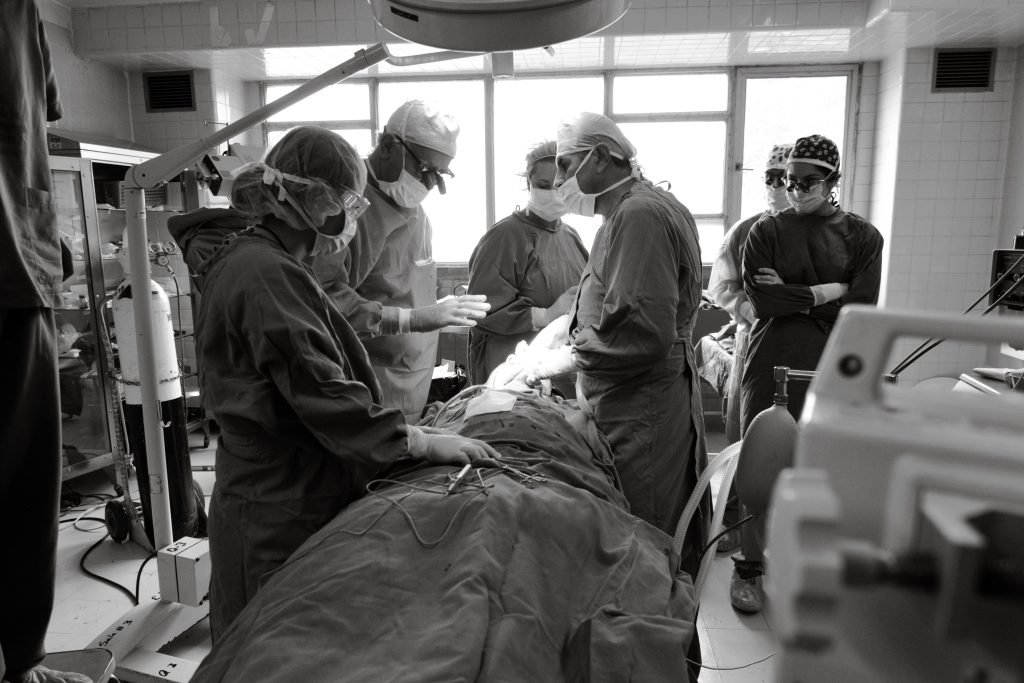
In many cases, yes. Because sperm production may be preserved, there can be several treatment options. The appropriate approach depends on the location and cause of the blockage, the duration of the problem, previous surgeries, the couple’s reproductive plans, and the fertility status of the female partner. Some men may be suitable candidates for microsurgical reconstruction, which aims to restore the pathway through which sperm travel. In other cases, reconstruction may not be appropriate, and retrieving sperm for use with assisted reproduction may be the preferred option.
Sperm Retrieval
When sperm cannot naturally reach the semen, they may sometimes be collected directly from the epididymis or testicle. Techniques such as PESA, MESA, TESA, and TESE may be considered depending on the underlying cause and the patient’s anatomy. In men with an obstruction, sperm retrieval can often provide viable sperm because sperm production inside the testicles remains intact. The retrieved sperm can then be used during assisted reproductive treatment or preserved for future use.
Obstructive Azoospermia and ICSI
ICSI, or intracytoplasmic sperm injection, is an assisted reproductive technique in which a single sperm is injected directly into an egg. This can be particularly useful when sperm have been obtained surgically but cannot be delivered naturally through the reproductive tract. ICSI may therefore allow couples affected by obstructive azoospermia to use the man’s own sperm for fertilization when appropriate. The decision to proceed with ICSI should be made after evaluating both partners and considering whether surgical reconstruction or assisted reproduction is the most suitable strategy.
Can a Man With Obstructive Azoospermia Have Biological Children?
A diagnosis does not necessarily mean that biological fatherhood is impossible. When sperm production is preserved, sperm may be retrieved directly from the reproductive tract or testicle. In selected cases, the obstruction itself can also be surgically corrected. If retrieved sperm are used with ICSI, fertilization may be possible even though sperm cannot naturally reach the semen. Therefore, men diagnosed with this condition should not assume that azoospermia means they have no possibility of having biological children.
When Should You See a Male Fertility Specialist?
A man with confirmed azoospermia should be evaluated by a specialist in male reproductive medicine or andrology. A comprehensive assessment can help determine whether the problem is caused by an obstruction or impaired sperm production and can identify the most appropriate treatment options. Depending on the individual case, evaluation may include repeated semen analysis, hormone testing, genetic assessment, physical examination, and imaging. Early specialist assessment can help avoid unnecessary treatments and provide a clearer path toward fertility treatment.
Final Thoughts
Obstructive azoospermia occurs when sperm production may be preserved but a blockage prevents sperm from reaching the ejaculate. Identifying the cause and location of the blockage is essential for selecting the appropriate treatment. Depending on the individual situation, treatment may involve microsurgical reconstruction, sperm retrieval, or sperm retrieval followed by ICSI. Because every case is different, men with azoospermia should undergo a complete evaluation by an experienced andrology or male reproductive medicine specialist.
Medical References
European Association of Urology (EAU). EAU Guidelines on Sexual and Reproductive Health – Male Infertility.
EAU Guidelines – Male InfertilityAmerican Urological Association (AUA) & American Society for Reproductive Medicine (ASRM). Diagnosis and Treatment of Infertility in Men: AUA/ASRM Guideline.
AUA/ASRM Male Infertility Guideline
World Health Organization (WHO). WHO Laboratory Manual for the Examination and Processing of Human Semen, 6th Edition.
WHO Laboratory Manual for Human Semen