Difficulty Ejaculating in Men can be a frustrating and distressing sexual problem for men. Some men may have normal sexual desire and erections but find it very difficult to reach ejaculation, while others may be unable to ejaculate during sexual intercourse at all. This condition is commonly referred to as delayed ejaculation (DE) or ejaculatory dysfunction. Delayed ejaculation can have psychological, neurological, hormonal, medical, medication-related, or relationship-related causes. Identifying the underlying cause is therefore essential for choosing the most appropriate treatment.
What Is Delayed Ejaculation?
Delayed ejaculation refers to a marked delay in ejaculation, very infrequent ejaculation, or an absence of ejaculation during sexual activity despite the man’s desire to ejaculate. Medical guidelines distinguish between lifelong delayed ejaculation, which has been present since the beginning of sexual activity, and acquired delayed ejaculation, which develops after a period of normal sexual function. The condition can also be global, occurring in different sexual situations, or situational, occurring only in specific circumstances or with a particular partner.
What Causes Difficulty Ejaculating?
There is no single cause of delayed ejaculation. The condition can result from several physical and psychological factors. Common medical causes include diabetes-related nerve damage, spinal cord disorders, multiple sclerosis, previous surgery involving the prostate or bladder, hormonal disorders such as low testosterone or thyroid problems, and certain neurological conditions. Medications can also contribute, particularly some antidepressants, antipsychotics, blood-pressure medications, and other drugs that affect the nervous system or sexual function.
Psychological and sexual factors may also play an important role. Anxiety, depression, relationship difficulties, psychological distress, and a disconnect between sexual arousal and the sexual situation can contribute to delayed ejaculation. In some men, a highly specific masturbation technique or stimulation pattern may also make it difficult to achieve ejaculation during partnered sex.
Is Difficulty Ejaculating Psychological or Physical?
It can be either psychological or physical, and sometimes both factors contribute to the problem. One important part of the medical assessment is determining whether the man can ejaculate during masturbation but has difficulty during intercourse. If ejaculation occurs normally in some situations but not others, this may provide useful information about the factors contributing to the problem. On the other hand, difficulty ejaculating in all situations may prompt the doctor to investigate medication-related, neurological, hormonal, metabolic, or other physical causes.
Can Medications Cause Delayed Ejaculation?
Yes. Some medications can interfere with ejaculation and orgasm. Antidepressants, particularly selective serotonin reuptake inhibitors (SSRIs), are well-recognized causes of delayed ejaculation. Other medications, including some antipsychotics, antihypertensive drugs, alpha-adrenergic blockers, and certain other medications, may also affect ejaculation. If a medication appears to be contributing to the problem, a doctor may consider modifying the treatment or changing the medication when medically appropriate. Men should not stop prescribed medication without consulting their doctor.
Can Diabetes Affect Ejaculation?
Diabetes can affect male sexual function, particularly when long-term high blood sugar contributes to nerve damage. Diabetic autonomic neuropathy can interfere with the nerve pathways involved in ejaculation and may contribute to delayed ejaculation or other ejaculatory disorders. For men with diabetes who develop a new ejaculation problem, appropriate evaluation of diabetes control and neurological and sexual function may therefore be important.
Can Difficulty Ejaculating Affect Fertility?
Difficulty ejaculating can affect fertility if a man is unable to release semen into the vagina during intercourse. This does not necessarily mean that the testes are unable to produce sperm. In some cases, sperm production may be normal while the problem involves the ejaculation process itself. When fertility is also a concern, the doctor may need to determine whether the problem is delayed ejaculation, anejaculation, or retrograde ejaculation and may recommend appropriate fertility testing.
What Is the Difference Between Delayed and Retrograde Ejaculation?
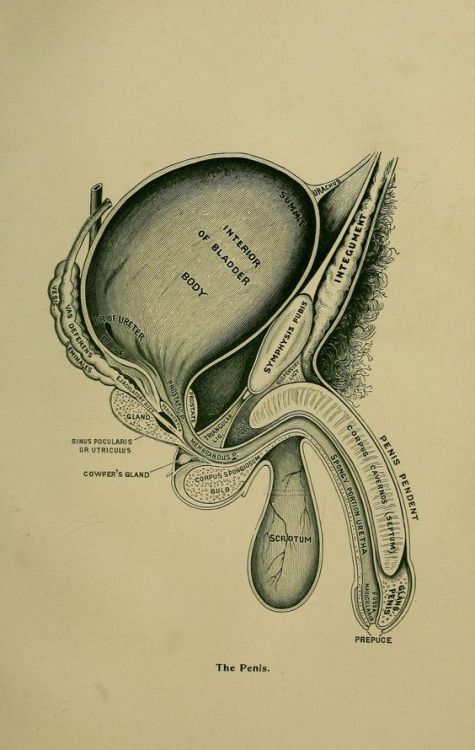
Delayed ejaculation should be distinguished from retrograde ejaculation. In retrograde ejaculation, semen travels backward into the bladder instead of exiting through the penis because the bladder neck does not close normally during ejaculation. A man may notice little or no semen during ejaculation, while a post-ejaculatory urine sample may contain sperm. In delayed ejaculation, the primary problem is difficulty reaching ejaculation or a significant delay before ejaculation occurs. Identifying the type of ejaculatory disorder is important because the diagnostic approach and treatment can differ.
How Is Delayed Ejaculation Diagnosed?
Diagnosis begins with a detailed medical and sexual history. The doctor may ask when the problem started, whether it is lifelong or acquired, whether it occurs during every sexual encounter or only in certain situations, and whether the man can ejaculate during masturbation. The assessment may also cover sexual desire, erections, orgasmic sensation, medications, alcohol or substance use, chronic diseases, previous surgery, neurological symptoms, and relationship or psychological factors. A physical examination is also recommended to identify possible hormonal, neurological, or anatomical factors.
Does Every Man With Delayed Ejaculation Need Tests?
No. Not every man requires extensive laboratory testing or imaging. The investigations should be guided by the medical and sexual history and physical examination. When indicated, the doctor may request blood tests to evaluate conditions such as diabetes or hormonal abnormalities, urine testing, or other specialized investigations. A post-ejaculatory urine sample may be recommended when retrograde ejaculation is suspected. Imaging or specialized testing is generally reserved for selected cases where the clinical evaluation suggests a specific underlying problem.
How Is Difficulty Ejaculating Treated?
Treatment depends on the underlying cause. If a medication is contributing to acquired delayed ejaculation, the doctor may consider modifying the medication regimen when appropriate. If an underlying medical condition such as diabetes or hormonal deficiency is identified, treating that condition may improve sexual function. Improving erectile function and maximizing appropriate sexual stimulation may also help some men reach ejaculation.
When psychological or relationship factors are involved, psychosexual therapy or counseling can be particularly helpful. Treatment may also involve addressing anxiety, relationship difficulties, sexual expectations, or stimulation patterns that contribute to the problem. Importantly, current evidence does not support one universally effective medication for delayed ejaculation, and medication treatment should be individualized by a qualified specialist.
Can Delayed Ejaculation Be Treated?
Many cases of delayed ejaculation can be improved once the underlying cause is identified and addressed. However, treatment outcomes vary depending on whether the condition is lifelong or acquired and whether the main contributing factor is medication-related, medical, neurological, hormonal, psychological, or sexual. Because there is no single treatment that works for every patient, a personalized evaluation is often the most effective approach.
When Should a Man See an Andrologist?
A man should consider consulting an andrologist or sexual medicine specialist when difficulty ejaculating is persistent, recurrent, or causing distress for him or his partner. Medical evaluation is especially important when the problem develops suddenly after previously normal ejaculation, occurs in all sexual situations, or is accompanied by erectile dysfunction, reduced sexual desire, neurological symptoms, urinary problems, or difficulty conceiving. Early evaluation can help identify reversible causes and prevent the problem from continuing without appropriate management.
Conclusion
Difficulty ejaculating is a common type of male sexual dysfunction that can have multiple causes, including medications, diabetes, neurological disorders, hormonal abnormalities, psychological factors, and relationship or sexual factors. Some men experience delayed ejaculation only during partnered sex, while others may have difficulty ejaculating in all situations. A detailed medical and sexual history, physical examination, and targeted investigations when indicated can help identify the underlying cause. Treatment should focus on the specific cause rather than relying on a single approach for every patient. With appropriate evaluation and individualized management, many men can achieve significant improvement in ejaculation and overall sexual function.
About Professor Osama K. Shaeer
Professor Osama K. Shaeer is a Professor of Andrology at Kasr Al Ainy Faculty of Medicine, Cairo University. His areas of expertise include male sexual medicine, erectile dysfunction, ejaculatory disorders, male infertility, penile curvature, and penile implant surgery. His work focuses on providing specialized evaluation and evidence-based treatment for men’s sexual and reproductive health.