Penile Implant Revision Surgery: Restoring Function and Confidence
A penile implant is a top treatment for severe Erectile Dysfunction (ED). Specifically, doctors often recommend it when medications fail. As a result, this device provides a reliable, long-term solution for most patients. Consequently, it significantly improves their quality of life and sexual satisfaction.
However, complications can occasionally occur over time. Indeed, this happens with any mechanical device or surgical procedure. For instance, a prosthesis sometimes malfunctions or becomes infected. Because of this, it might no longer meet a patient’s needs. Therefore, penile implant revision surgery becomes necessary.
Furthermore, revision surgeries are much more complex than the original implantation. Due to this complexity, they require a highly skilled, high-volume andrologist. Fortunately, Prof. Osama Shaeer is internationally recognized for managing complex cases. Ultimately, his expertise ensures the highest chance of a successful outcome.
What is Penile Implant Revision Surgery?
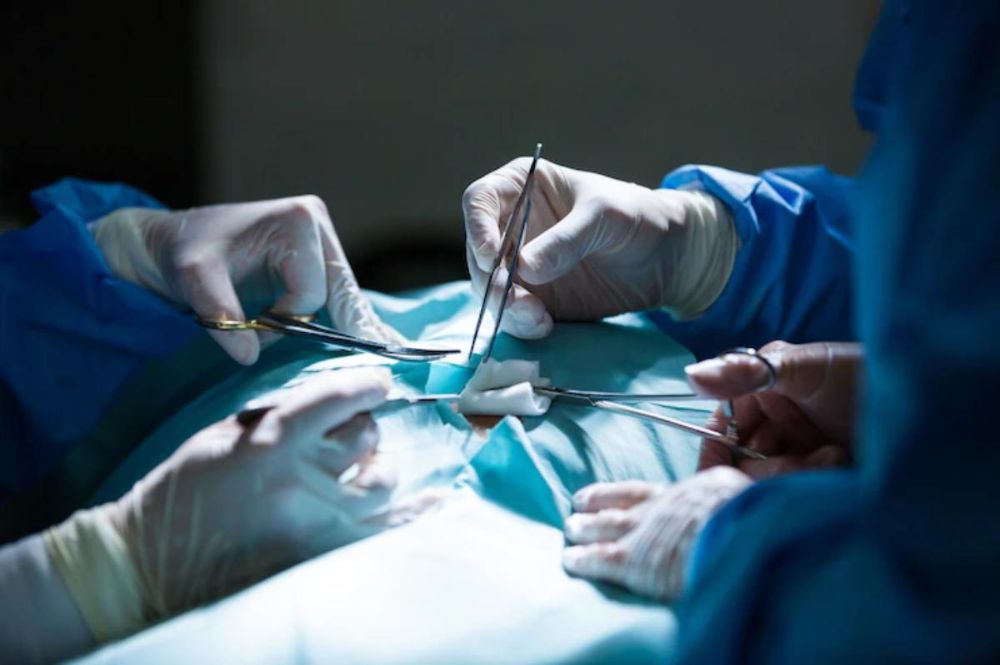
Penile implant revision surgery is a specialized medical procedure. Primarily, it is performed to repair, replace, or completely remove an existing prosthesis. Above all, the goal of the surgery is to address the underlying issue. For example, this problem could be mechanical, anatomical, or infectious. In the end, the surgery restores the patient’s erectile function and comfort.
Depending on the specific problem, a revision surgery may involve:
- Replacing specific components: First, the surgeon might swap out a faulty pump. Alternatively, they could replace the reservoir in an inflatable prosthesis.
- Complete replacement: Secondly, the doctor may remove the entire existing device. Afterward, they implant a brand-new prosthesis in its place.
- Salvage procedures: In addition, these are used for localized infections. During this operation, the surgeon removes the device and washes the area. Then, a new implant is placed immediately.
- Removal only: Finally, severe infections may require complete removal. Moreover, some patients choose not to have a new device implanted.
Common Reasons for Penile Implant Revision
Modern penile implants are incredibly durable. Generally, they are designed to last for 10 to 15 years or more. Nevertheless, a man might eventually need a revision surgery for several reasons.
1. Mechanical Failure
Most importantly, mechanical failure is the most common reason for revision. Like any device with moving parts, wear and tear eventually happen.
- Fluid Leaks: For example, tears can occur in the inflatable cylinders. Consequently, the saline fluid leaks out. Because of this, achieving a rigid erection becomes impossible.
- Pump Malfunction: On the other hand, the scrotal pump may become difficult to press. In some cases, it fails to transfer fluid effectively.
- Aneurysm of the Cylinder: Over time, a section of the cylinder may weaken. As a result, it can bulge outward, creating an unnatural shape.
2. Device Infection
Without a doubt, infection is the most feared complication. Fortunately, it is rare with experienced surgeons like Prof. Shaeer. In addition, modern antibiotic-coated implants lower this risk. Still, it can occur.
- Typically, infections appear within the first few months after surgery. However, they can theoretically happen at any time.
- Furthermore, symptoms often include persistent pain and severe swelling. Besides that, you might notice redness or a fever.
- Crucially, an infected penile implant is a medical emergency. Because bacteria form a protective biofilm, antibiotics alone are rarely sufficient. Therefore, the infected device must be surgically removed.
3. Patient Dissatisfaction or Anatomical Changes
Sometimes, the device functions perfectly on a mechanical level. Yet, the patient requires a revision for other reasons:
- Sizing Issues: Specifically, incorrect sizing can easily lead to patient dissatisfaction. For instance, a short cylinder can result in a “floppy glans.” Conversely, a long cylinder can cause constant pain.
- Erosion: Additionally, erosion occurs when a component wears through the tissue. Ultimately, improper sizing or tissue weakness causes this.
- Upgrading the Device: Previously, some patients received a semi-rigid implant. Later on, they may decide to upgrade because they want a more natural-feeling inflatable prosthesis.
The Complexity of Revision Surgery
Above all, it is crucial to understand the challenges of this procedure. Undeniably, revision surgery is significantly more difficult than a primary implantation.
First of all, the body naturally forms a capsule of scar tissue around the device. During revision, the surgeon must navigate this dense barrier. At the same time, they must safely remove the old components. Furthermore, the surgeon must avoid damaging the delicate urethra. Similarly, they must also protect the nerves and blood vessels.
Moreover, infection or erosion severely compromises the internal anatomy. Therefore, these difficult cases require complex reconstructive techniques.
Why Choose an Expert Like Prof. Osama Shaeer?
Because of the high degree of difficulty, only specialists should perform revisions. Usually, a general urologist might only perform primary implants. Consequently, they may not be equipped to handle complex revisions.
On the contrary, Prof. Osama Shaeer brings decades of specialized experience. Thus, when you consult with him, you benefit from:
- Accurate Diagnosis: First, he uses advanced diagnostic techniques to pinpoint why the implant is failing.
- Surgical Mastery: Secondly, Prof. Shaeer uses advanced microsurgical techniques. As a result, he safely extracts faulty devices and perfectly sizes the new implant.
- Infection Management: Furthermore, he uses rigorous washout protocols for infections. Consequently, these procedures allow for immediate reimplantation.
- Comprehensive Care: Finally, he provides rigorous post-operative follow-up to ensure your recovery is smooth.
What to Expect During and After Surgery
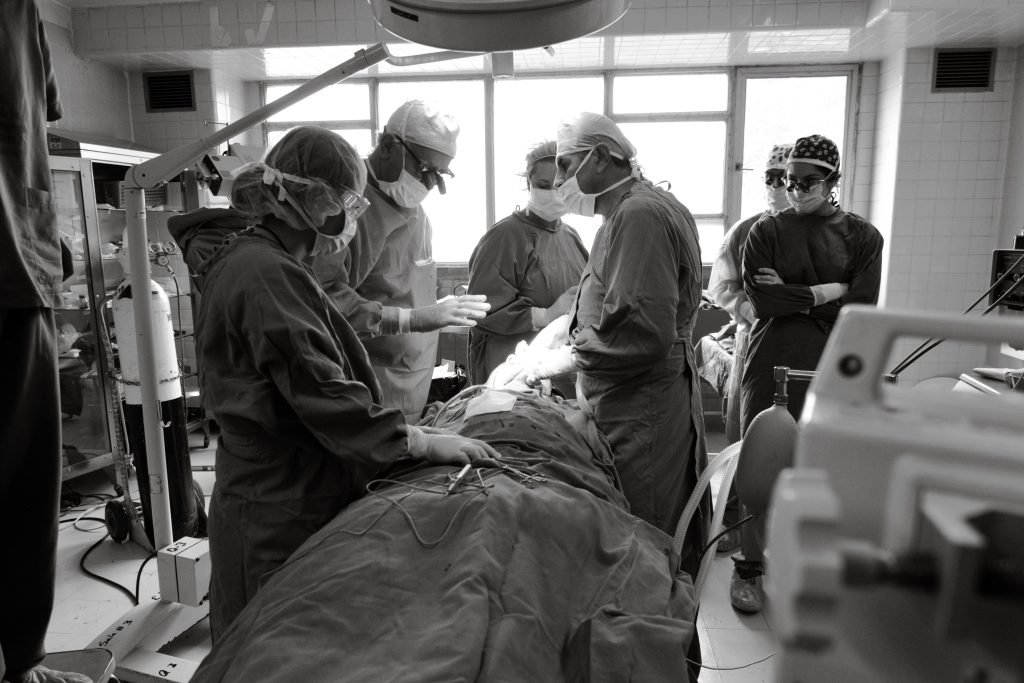
Normally, this surgery uses general or spinal anesthesia. Generally, the length of the surgery varies based on complexity. However, it takes longer than a primary procedure.
Recovery Timeline: Initially, the recovery is often similar to the first implant surgery. Nevertheless, complex reconstructive work may require a longer healing period.
- Hospital Stay: Typically, most patients go home the same day or the next morning.
- Pain Management: Subsequently, you will receive medication to manage discomfort. Usually, this pain peaks in the first few days.
- Rest: Importantly, you should avoid strenuous activity for several weeks.
- Resuming Sexual Activity: Because your implant remains partially inflated during healing, you must refrain from sexual activity initially. Eventually, you can resume once cleared by Prof. Shaeer.
Regain Your Confidence Today
In conclusion, a failing penile implant causes immense stress and disappointment. However, it does not mean the end of your sexual health. With expert surgical intervention, you can overcome these challenges. Consequently, you can return to a fulfilling and active sex life.
Perhaps you suspect your penile implant is malfunctioning. If so, do not wait. Ultimately, early intervention is key to a successful revision.
Contact Prof. Osama Shaeer’s clinic today to schedule a comprehensive evaluation. Our team is dedicated to providing discreet, world-class care. We are here to help you restore your function and regain your confidence.