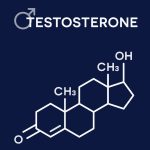

Anabolic-androgenic steroids (AAS) are synthetic substances related to testosterone that are commonly used to increase muscle mass, strength, and athletic performance. Although they may produce noticeable physical effects, their impact on male reproductive health can be significant. One of the most important and often overlooked complications of steroid use is severe suppression of sperm production, which may lead to azoospermia, a condition in which no sperm are detected in the ejaculate.
How Do Steroids Affect Sperm Production?
Under normal conditions, sperm production is regulated by the hypothalamic–pituitary–gonadal (HPG) axis. The hypothalamus releases gonadotropin-releasing hormone (GnRH), which stimulates the pituitary gland to produce luteinizing hormone (LH) and follicle-stimulating hormone (FSH). LH stimulates the testes to produce testosterone, while FSH and intratesticular testosterone are essential for normal spermatogenesis.
When anabolic steroids or external testosterone are introduced into the body, the brain senses an excessive level of androgen activity and responds by reducing the production of GnRH, LH, and FSH. As a result, testosterone production inside the testes can fall dramatically, even when testosterone levels in the bloodstream remain high. Since adequate intratesticular testosterone and FSH activity are essential for sperm production, this hormonal suppression can significantly reduce sperm count and, in some men, result in complete absence of sperm.
Can Steroid Use Cause Azoospermia?
Yes. Prolonged or high-dose anabolic steroid use can severely impair spermatogenesis and may cause oligospermia, meaning a very low sperm count, or azoospermia, meaning no sperm are found in the semen sample. The degree of suppression can vary from one man to another and may depend on factors such as the type and dose of steroid, duration of use, combination of different substances, previous fertility status, and individual hormonal response.
Importantly, steroid-induced azoospermia does not necessarily mean that permanent infertility has occurred. In many cases, the testes retain the ability to produce sperm once the hormonal suppression is appropriately addressed.
Can Fertility Recover After Stopping Steroids?
In many men, sperm production can gradually recover after anabolic steroids are discontinued. However, recovery is not immediate. The reproductive system needs time to restore normal hormonal signaling and restart spermatogenesis. The recovery period can vary considerably between individuals, and some men may recover naturally while others require medical treatment.
Because sperm production is a complex process, simply stopping steroids and waiting may not always be the best approach, particularly when pregnancy is an important goal. A proper evaluation can help determine whether hormonal suppression is present and whether additional treatment may be appropriate.
What Should Men With Steroid-Induced Azoospermia Do?
Men who have used anabolic steroids and are experiencing fertility problems should undergo a comprehensive evaluation by a qualified andrologist or male fertility specialist. Assessment may include a detailed medical and medication history, physical examination, semen analysis, and hormonal testing, including measurements of testosterone, LH, and FSH when appropriate. Depending on the clinical situation, additional investigations may be recommended to determine whether there are other factors contributing to the absence of sperm.
Treatment should be individualized rather than based on a one-size-fits-all approach. Depending on the underlying hormonal profile and fertility goals, specialists may consider medical strategies designed to restore or stimulate the body’s reproductive hormone production. In selected cases, assisted reproductive techniques may also be considered.
Why Early Evaluation Matters
Waiting for fertility to return without medical assessment can sometimes delay appropriate treatment. Early evaluation is especially important for men who are actively trying to conceive, have persistent azoospermia, or have a history of prolonged anabolic steroid or testosterone use. Identifying the cause of azoospermia is essential because steroid-related hormonal suppression is only one of several possible causes of absent sperm.
The Takeaway
Anabolic steroids can have a profound effect on the male reproductive system. By suppressing LH and FSH and reducing testosterone production within the testes, they can dramatically decrease sperm production and, in some cases, cause azoospermia. The encouraging news is that steroid-induced infertility may be reversible in many men, but recovery can take time and may require specialized medical management. If fertility is a priority, stopping non-prescribed anabolic steroids and seeking an early evaluation from an andrology or male fertility specialist can be an important step toward restoring reproductive function.
For more expert information about men’s health, andrology, male infertility, and fertility treatment, follow our YouTube channel for educational videos and insights: Penile Implant Expert.